- Decklist
- Commander bracket
- The commander
- Rummaging spells
- Ramp ramp ramp
- Card advantage
- Phlage the police officer
- Committing super-murder
This article is part 1 of a series about my Phlage, Titan of Fire’s Fury Commander deck. Click here to read Part 2.
I play a rather unhealthy amount of a card game called Magic the Gathering.
My time playing Magic has been spent across a variety of formats, including Pioneer, Pauper, Draft & Sealed, Cube (shout out Vintage Cube!), and Brawl on Arena, but by far my most played format is Commander.
I’ve probably built over 15 Commander decks by this point, but the one that I’ve spent the most time tweaking—and by far my favorite to play—is led by this chonker:
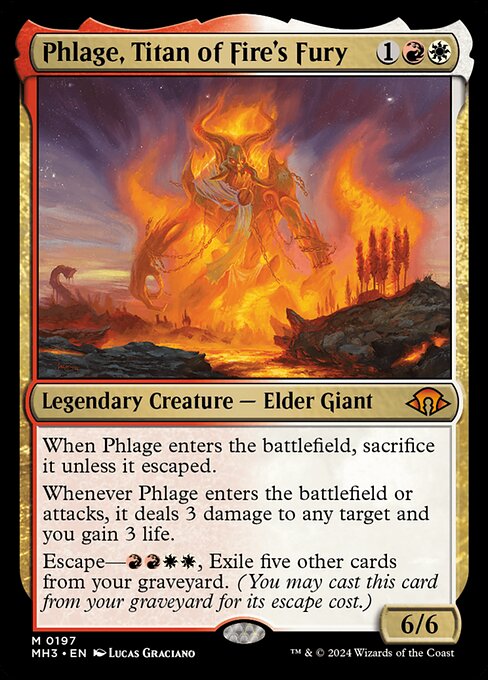
My Phlage, Titan of Fire’s Fury Commander deck is my proudest creation within the world of Magic—my magnum opus, if you will.
The decklist has been worked and reworked many times, with the overarching strategies and individual card choices slowly being refined over the course of a year and a half to become what it is today.
The Phlage deck is rather unique, with play patterns and strategies really unlike any other Comander deck I’ve seen. More importantly, the deck is filled with lots of interaction and card draw, allowing me to always stay in the game and have the tools to answer even the most greedy of decks.
This article is a high-level primer that will go over the general strategy and category of cards that this deck plays. I’m also writing a part 2 that will go into a more exhaustive analysis of every individual card in the deck.
Decklist
You can view the decklist on Moxfield, note that the list may have been updated since time of writing.
Visual Spoiler
Commander
Creatures - 31
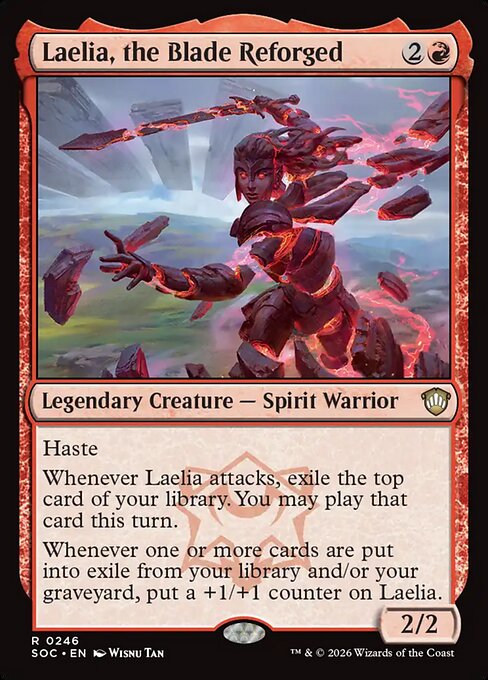
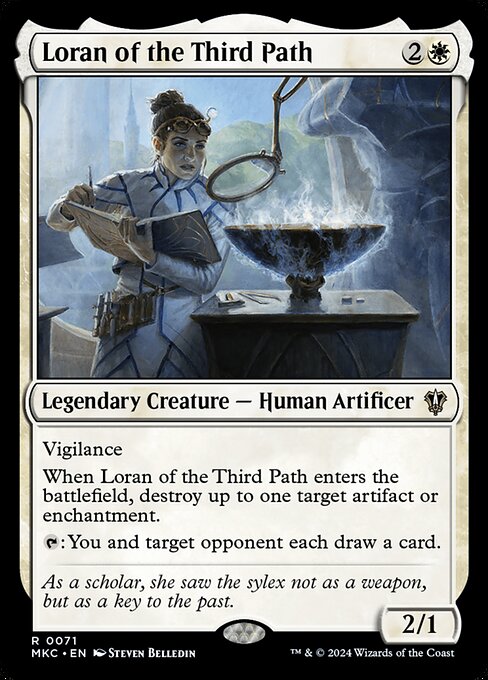
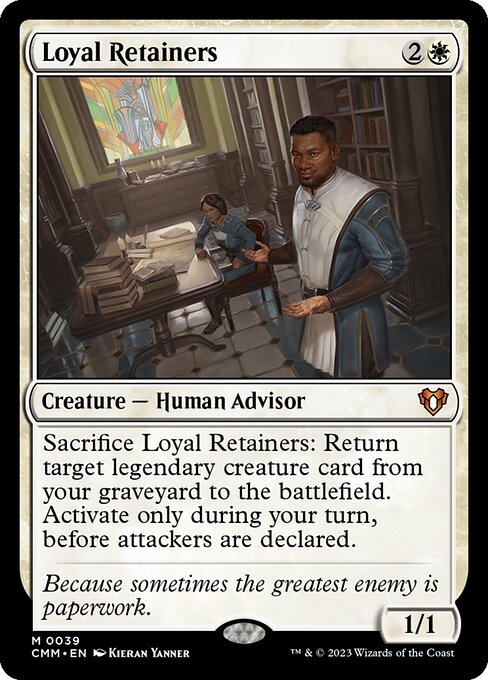
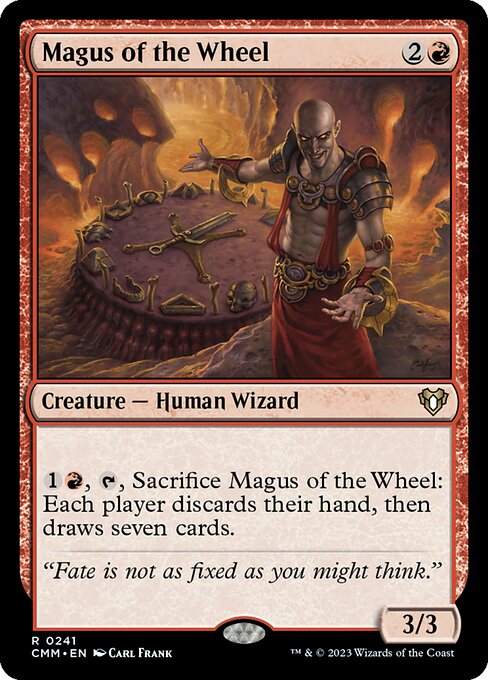
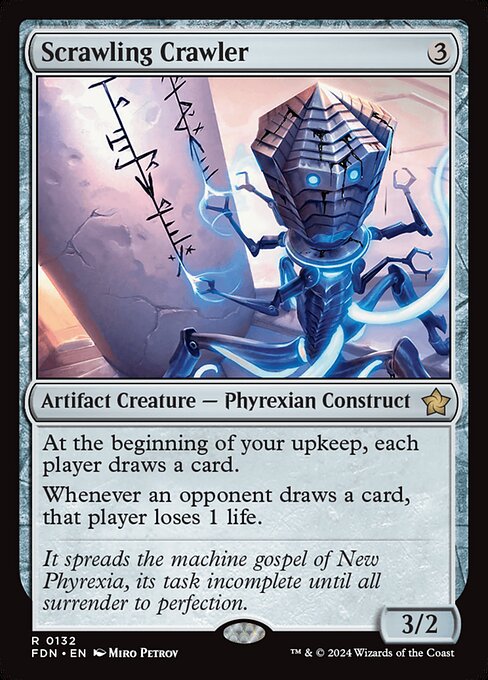
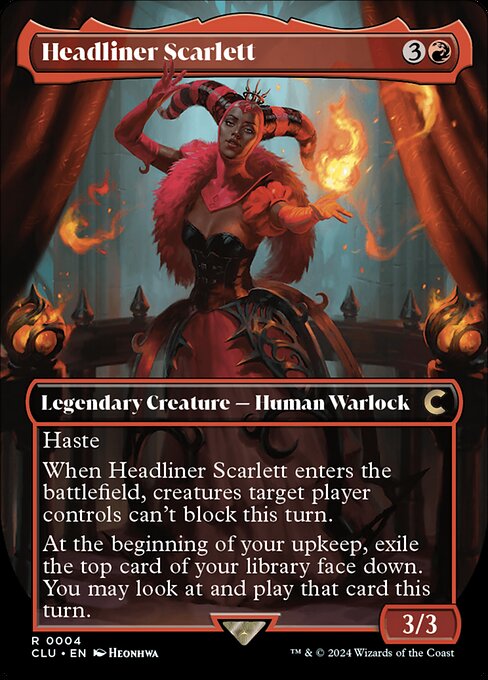
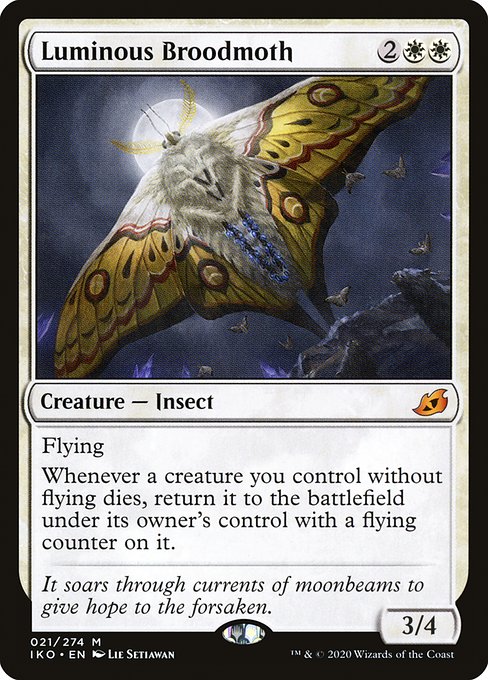
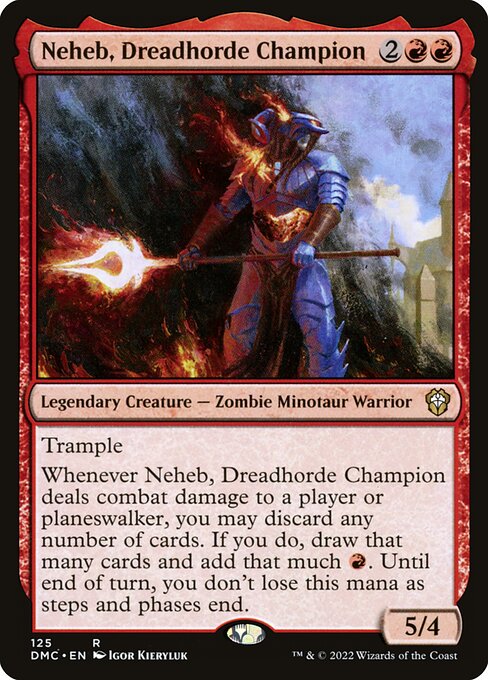
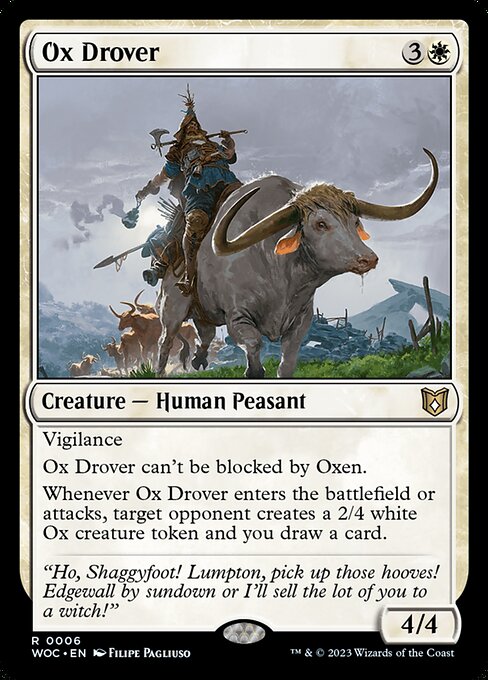
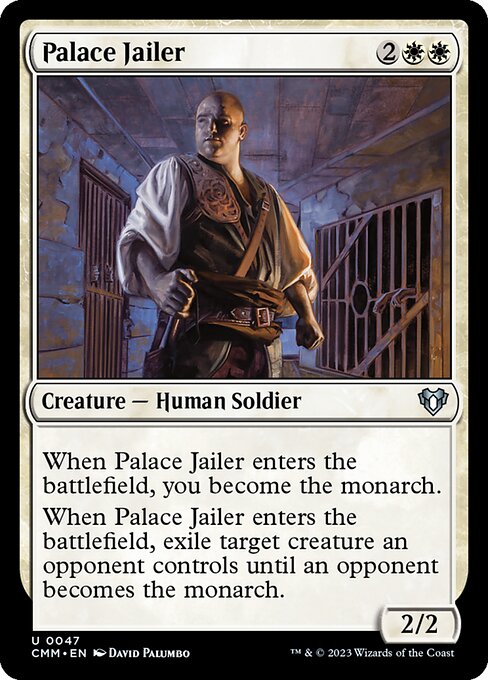
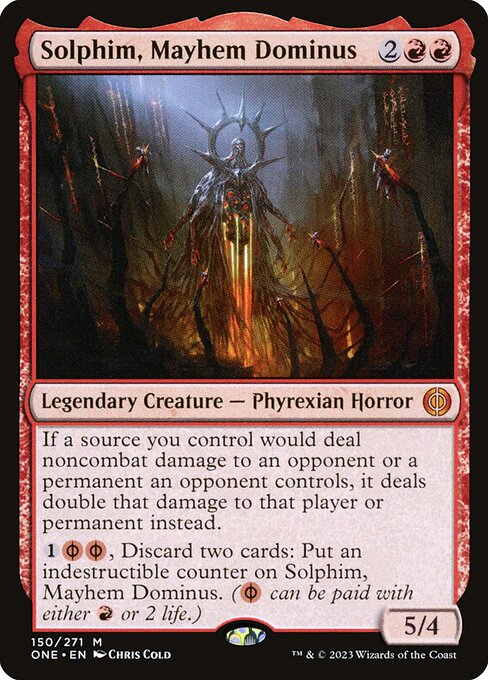
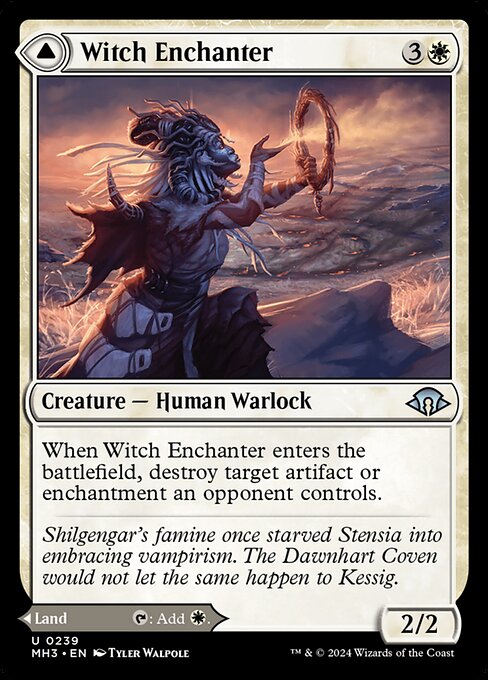
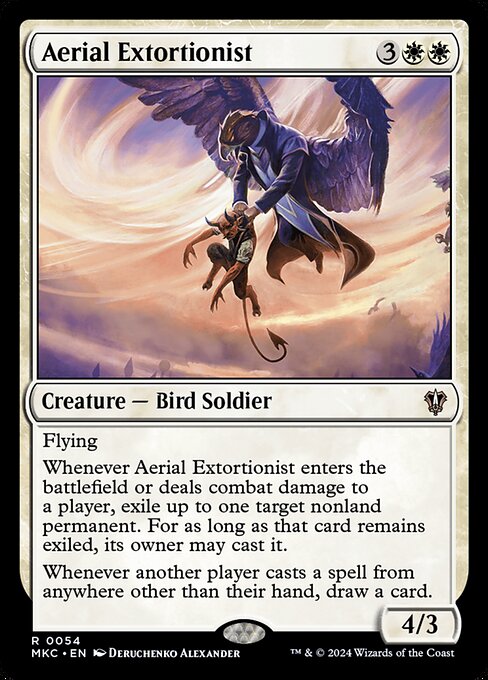
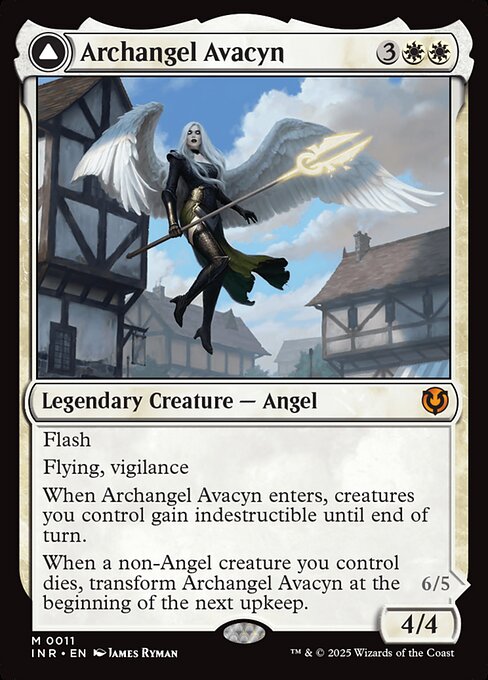
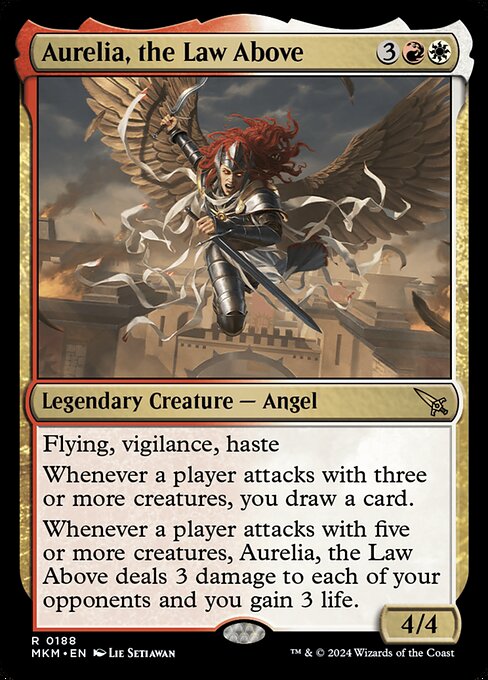
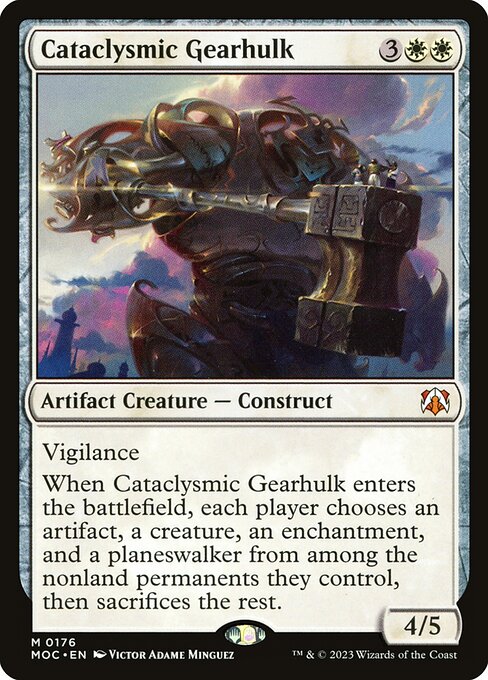
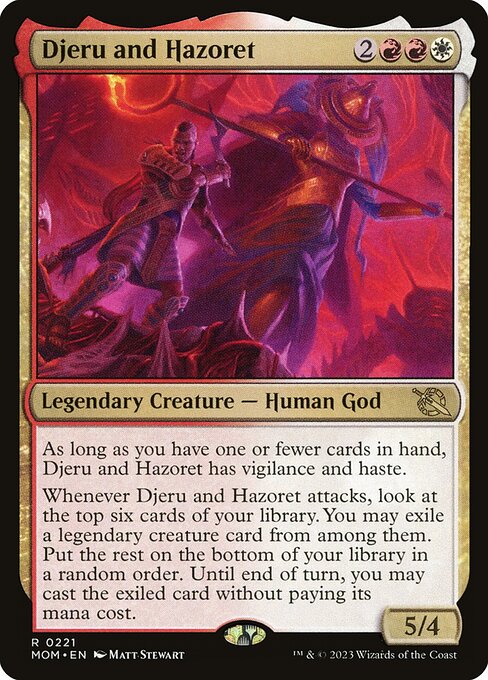
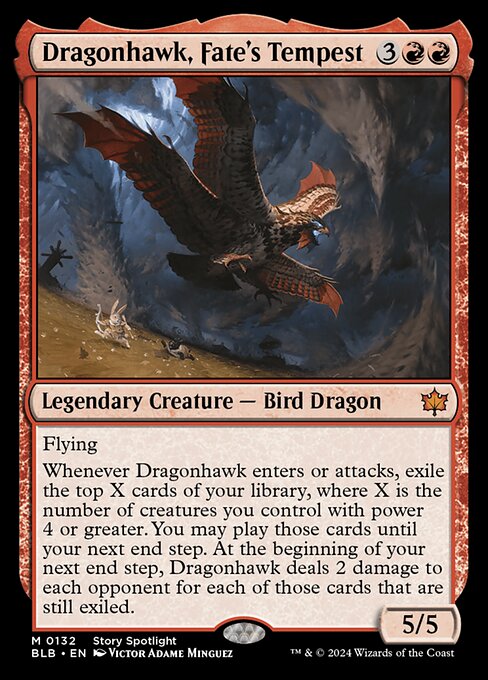
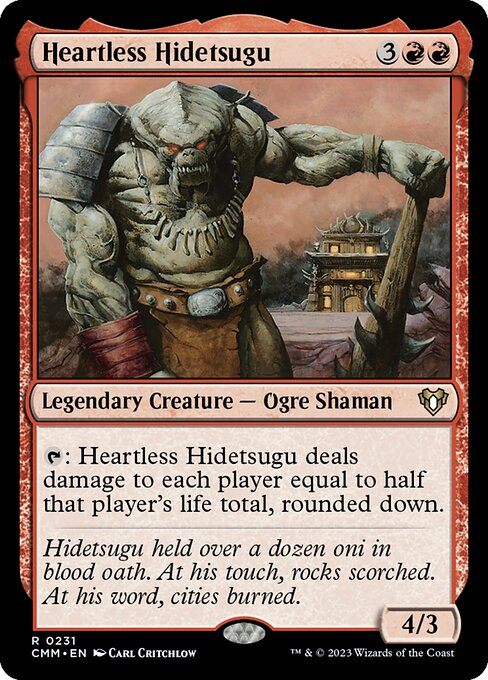
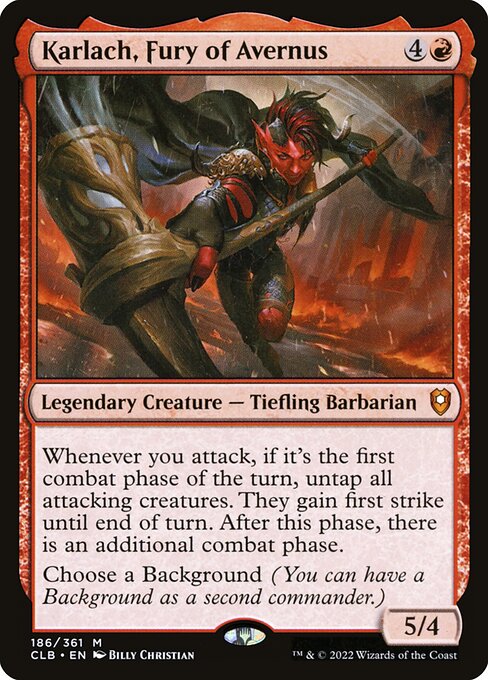
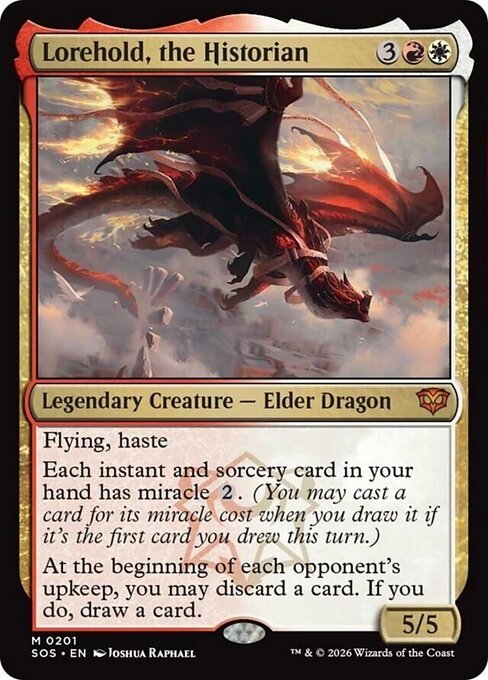
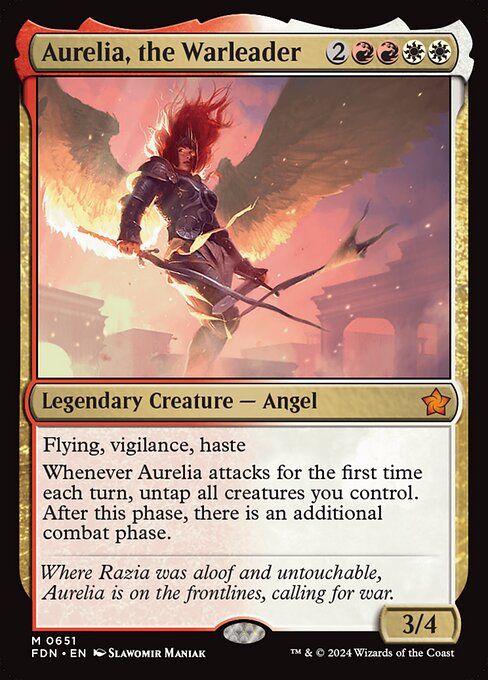
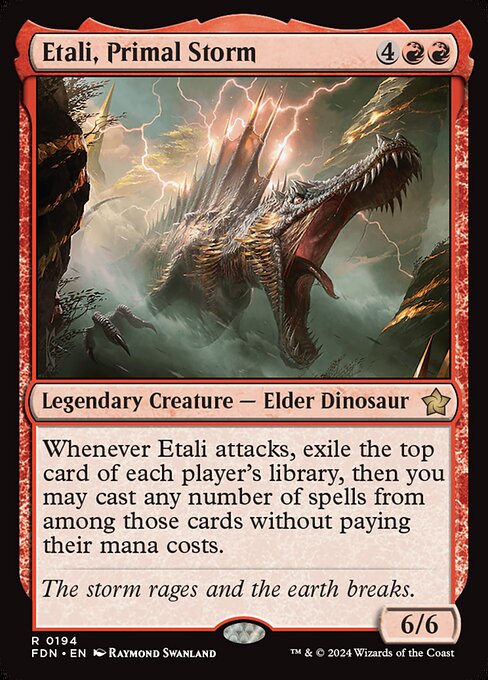
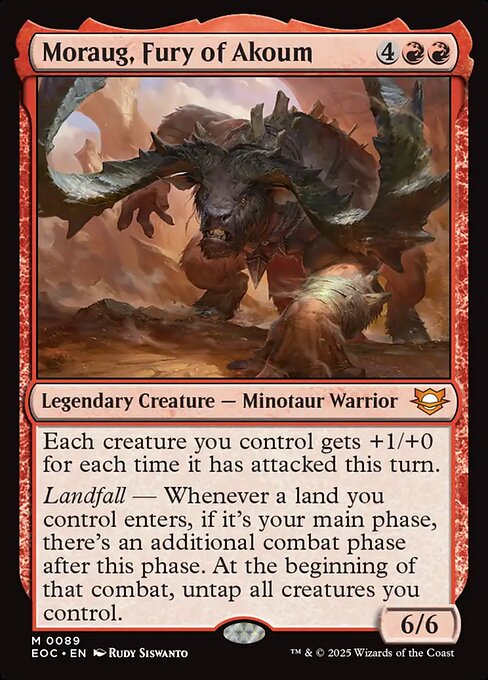
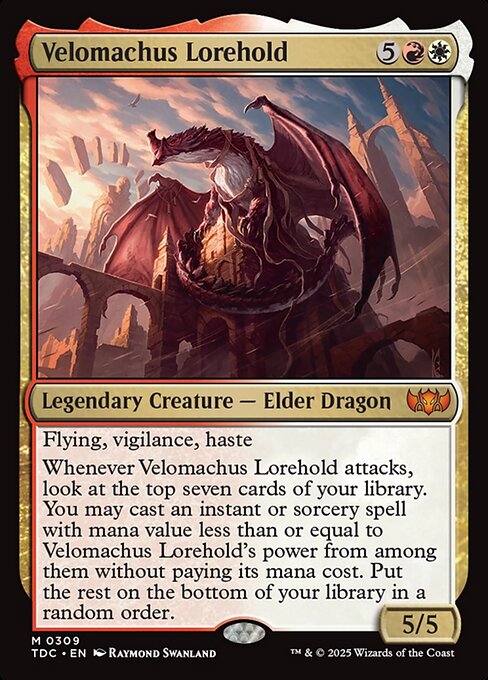
Sorceries - 11
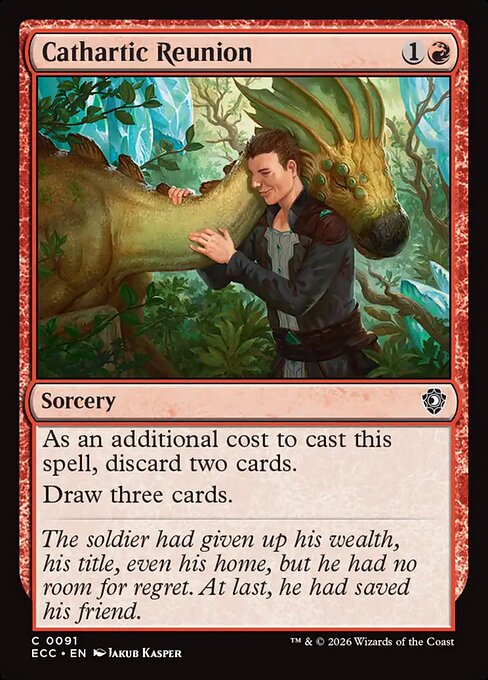
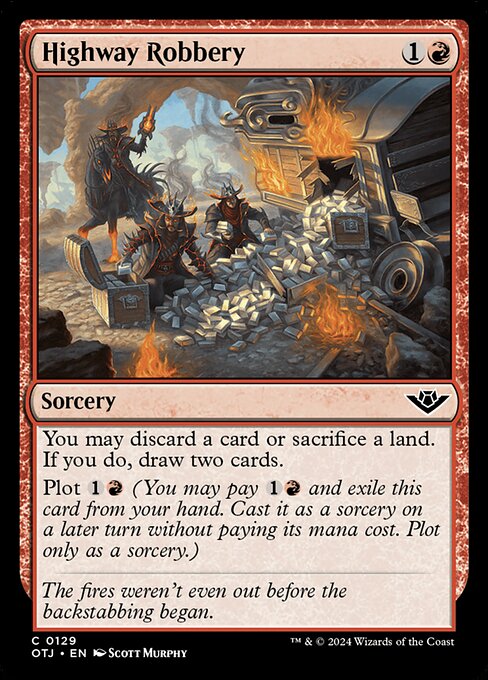
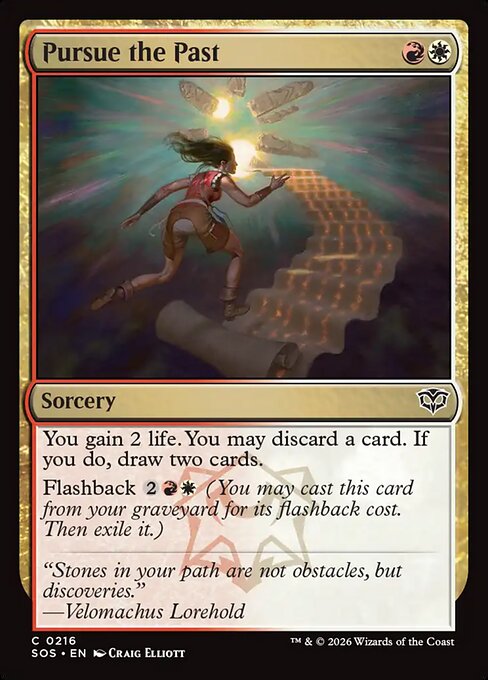
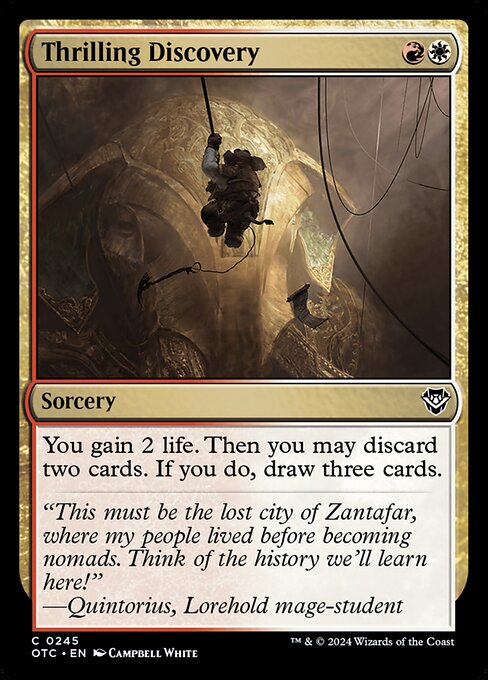
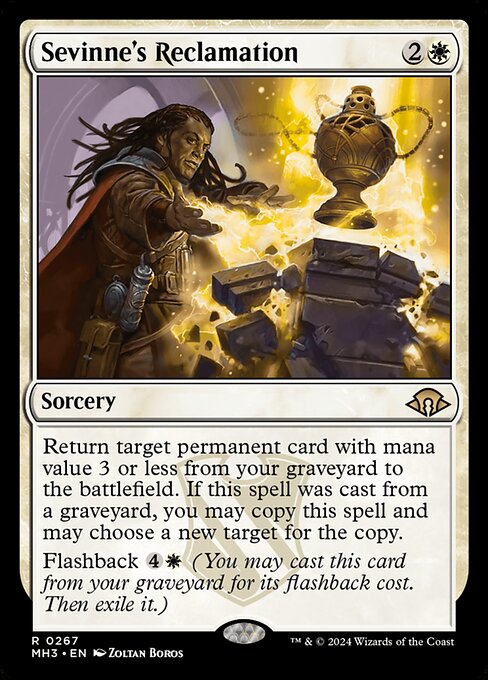
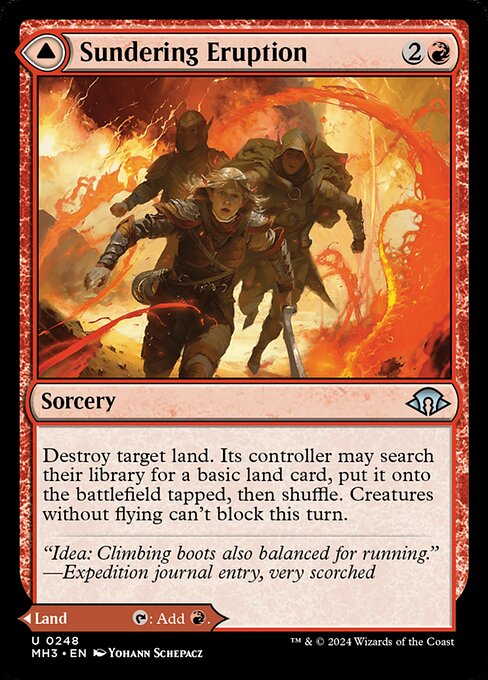
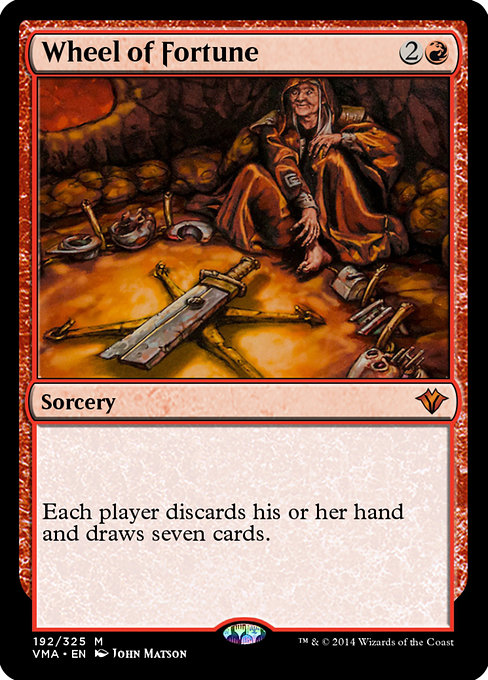
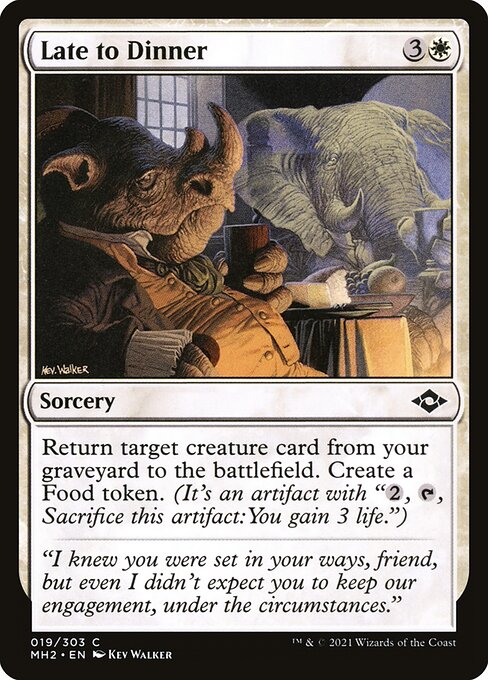
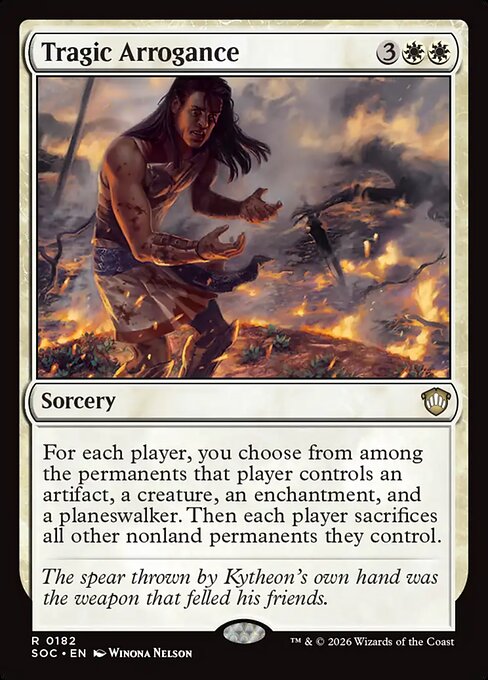
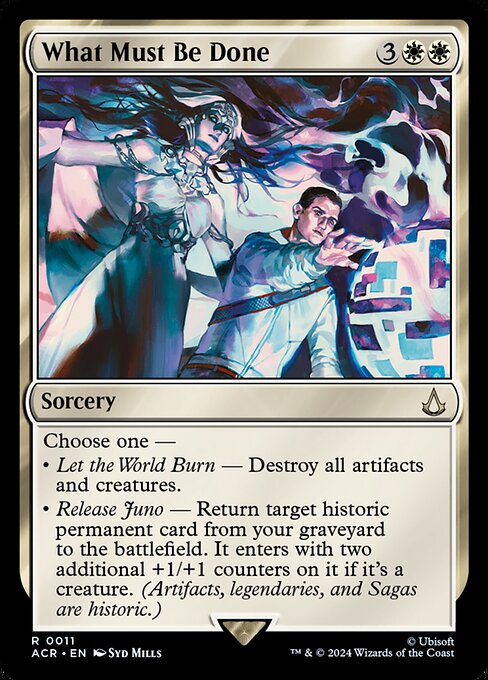
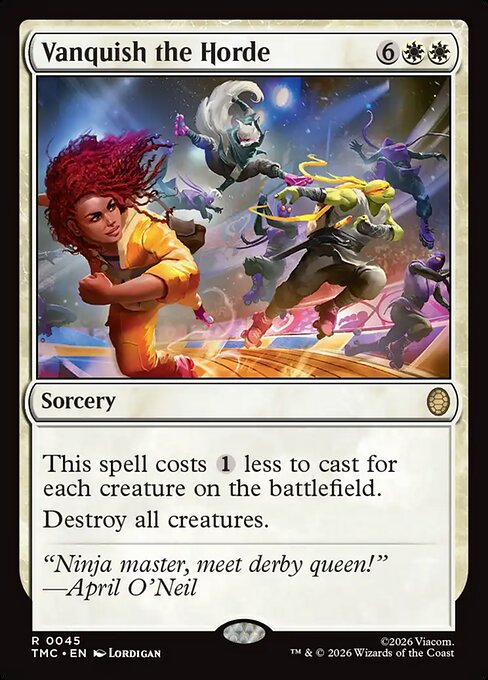
Instants - 11
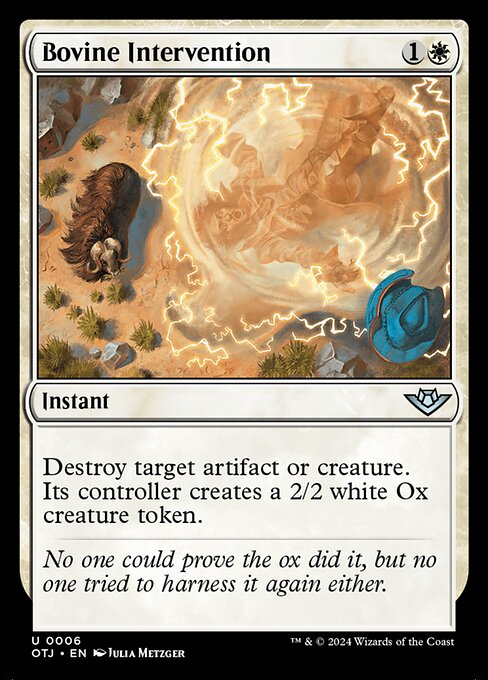
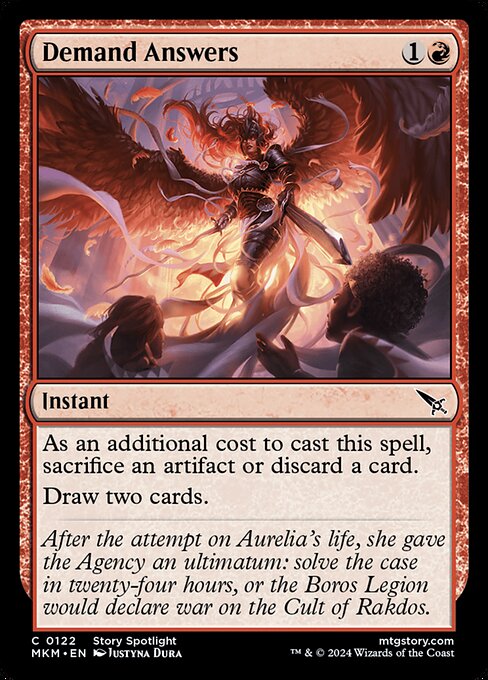
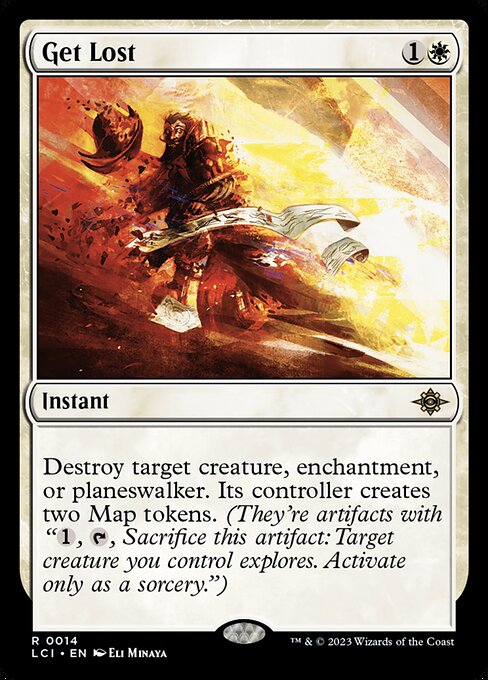
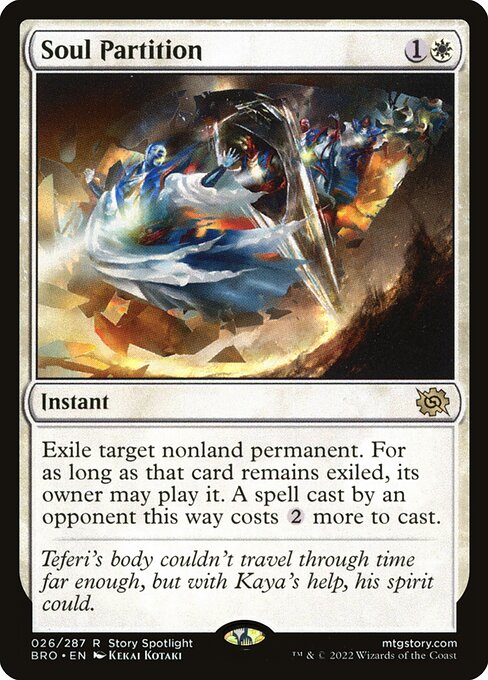
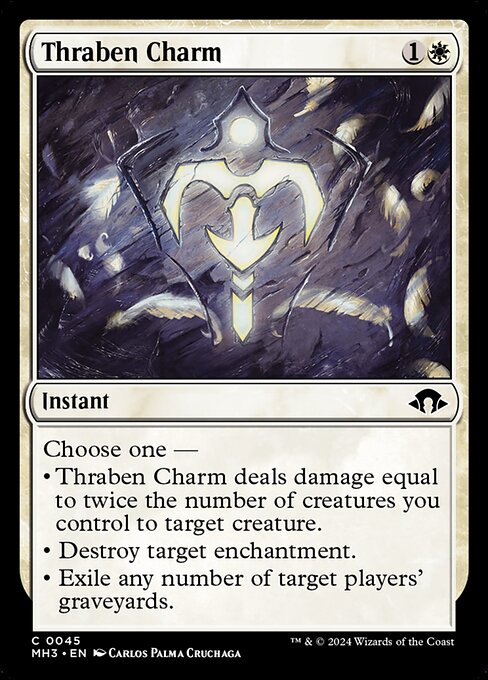
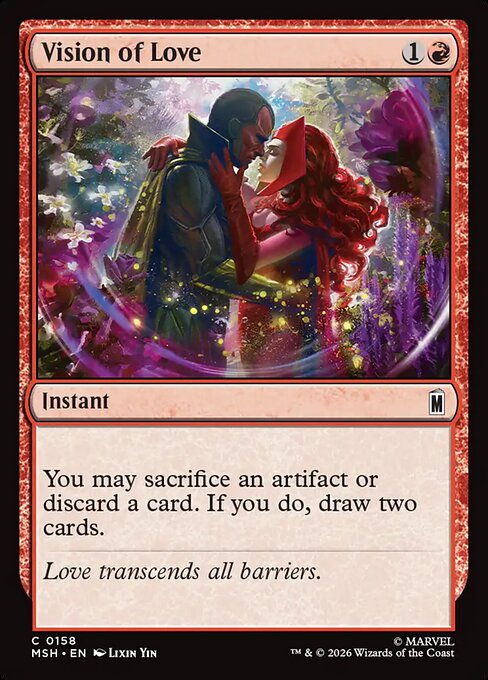
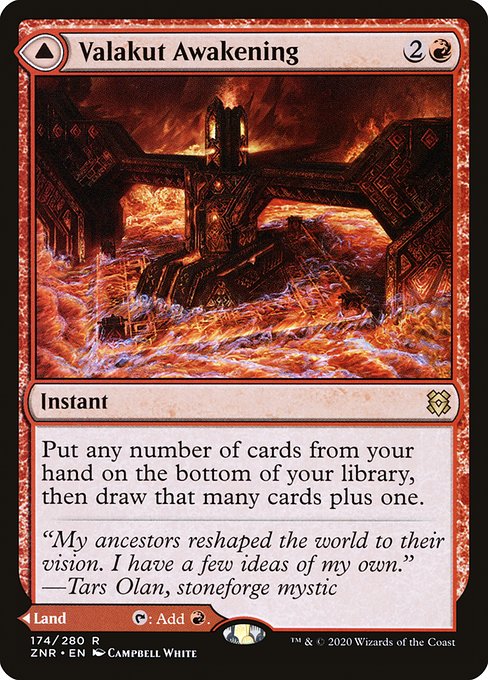
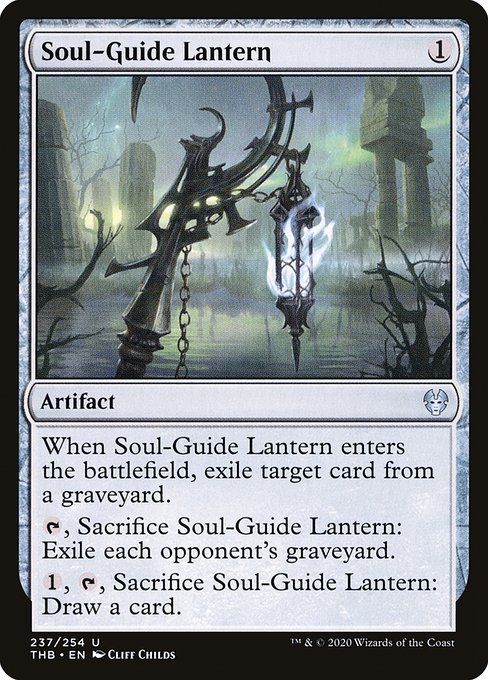
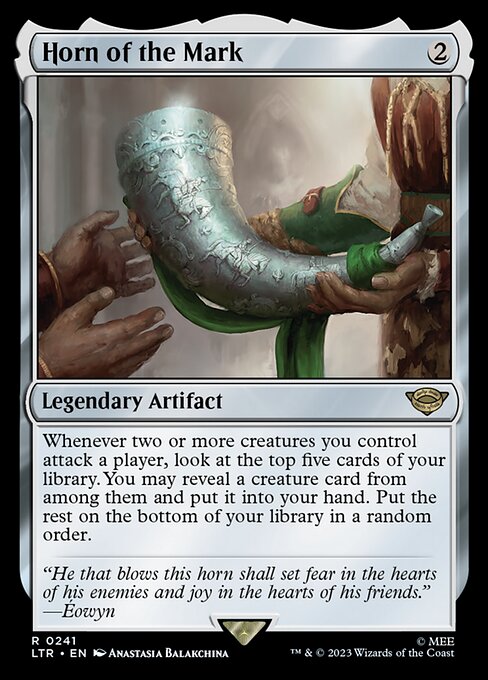
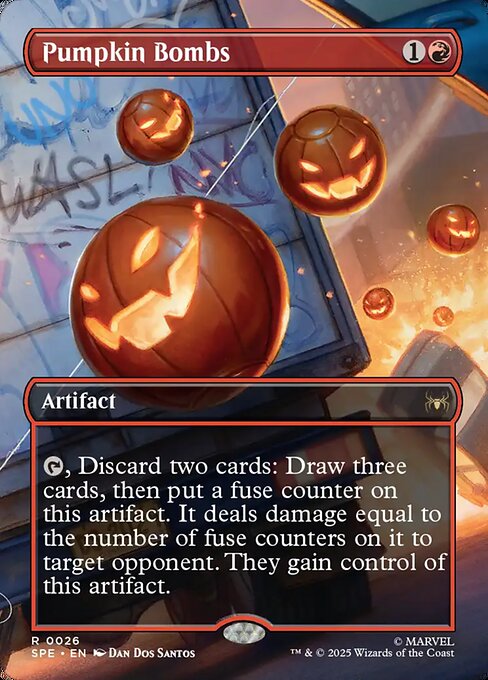
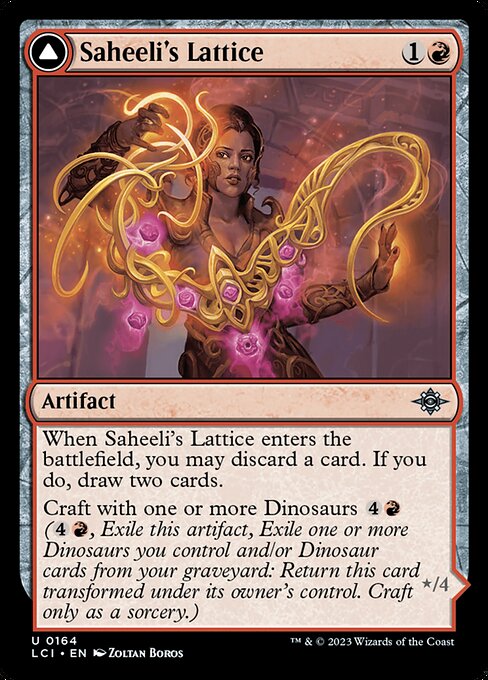
Artifacts - 6
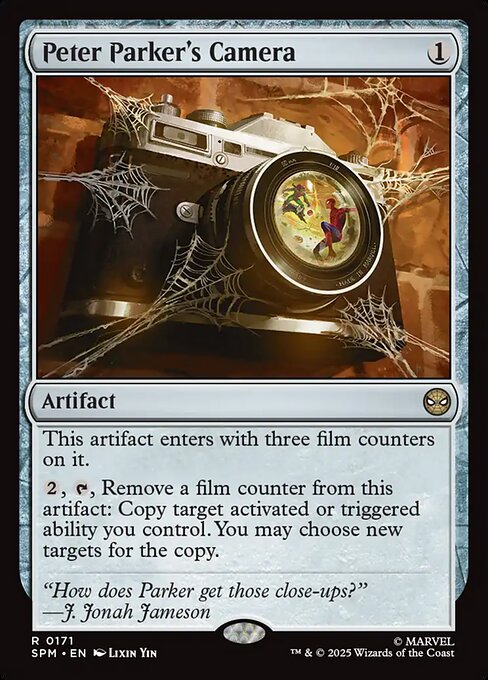
Enchantments - 6
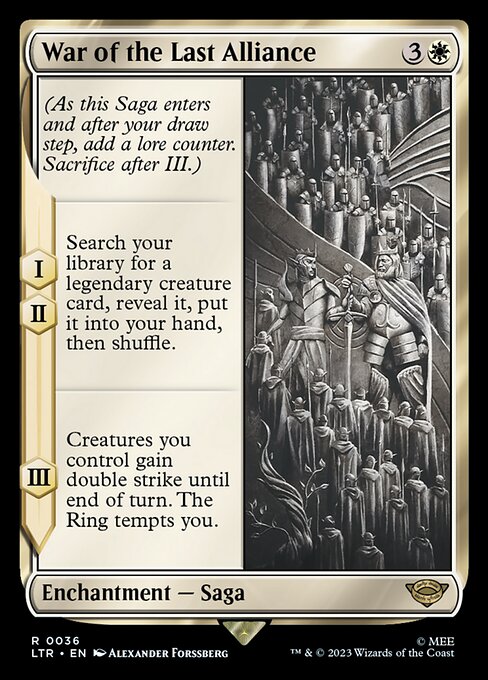
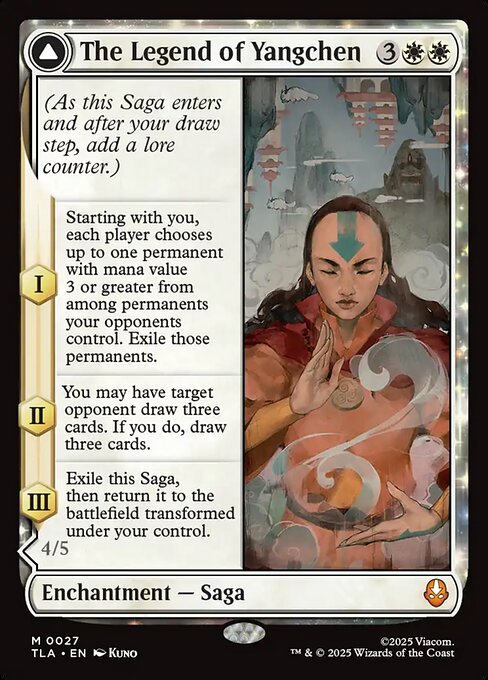
Lands - 34 (+3 MDFC)
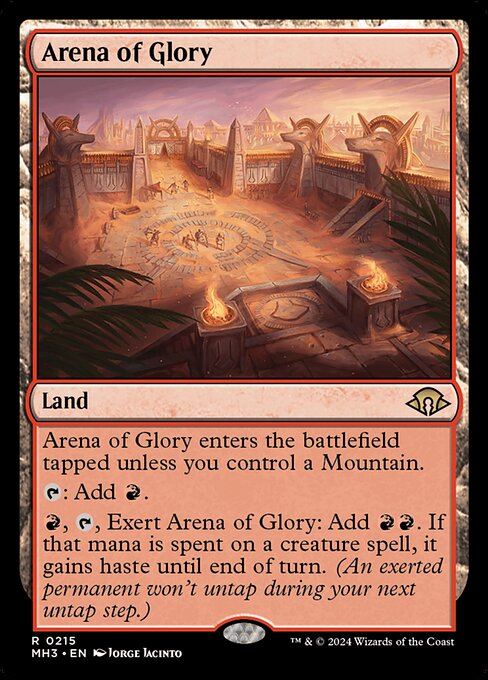
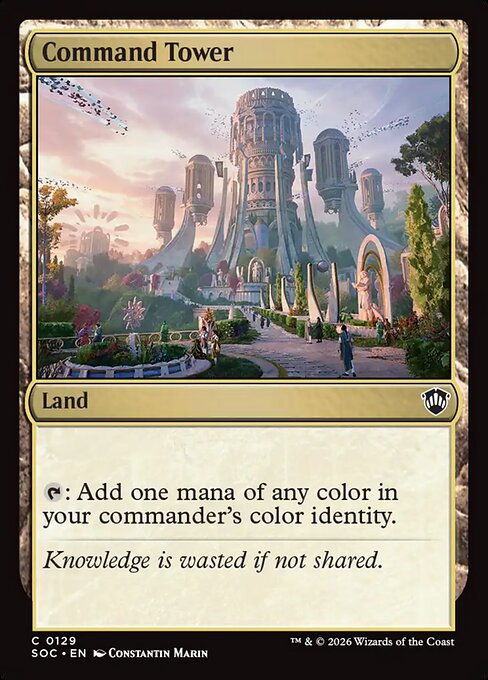
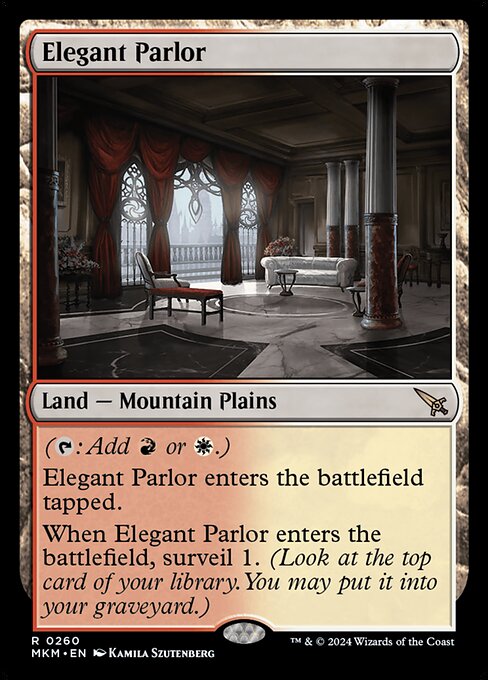
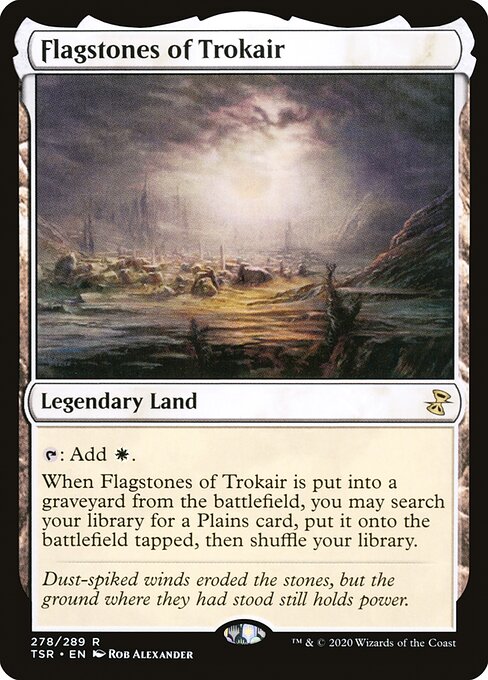
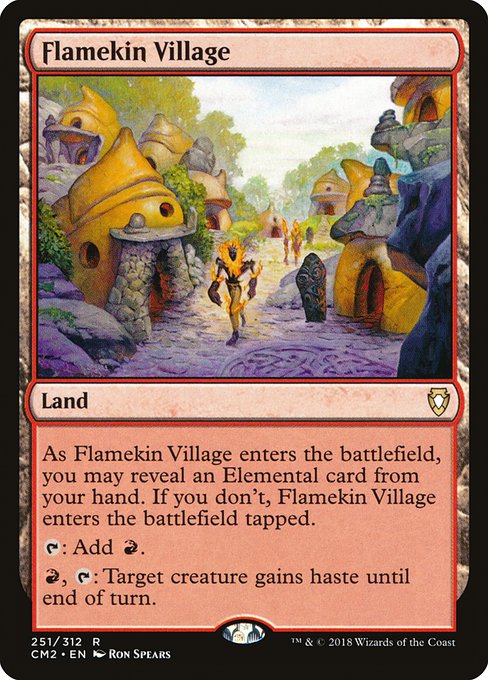
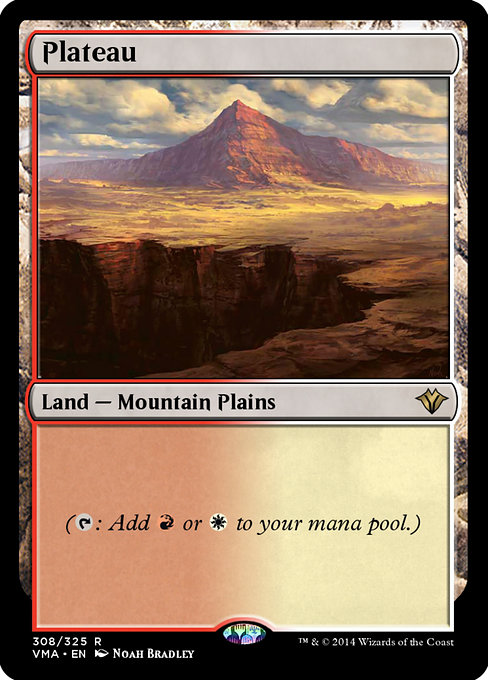
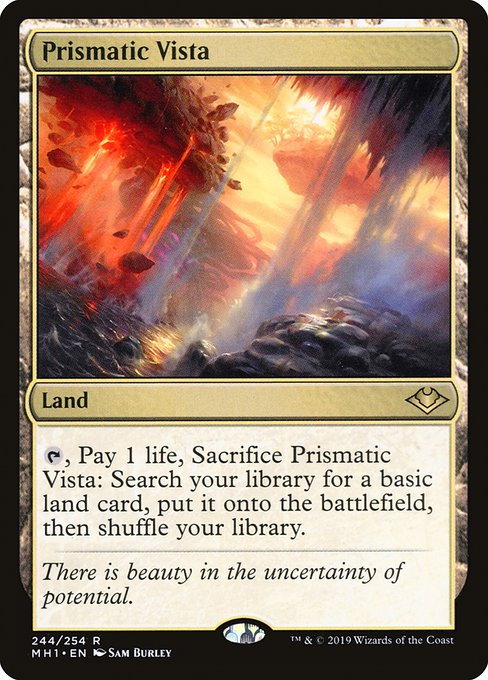
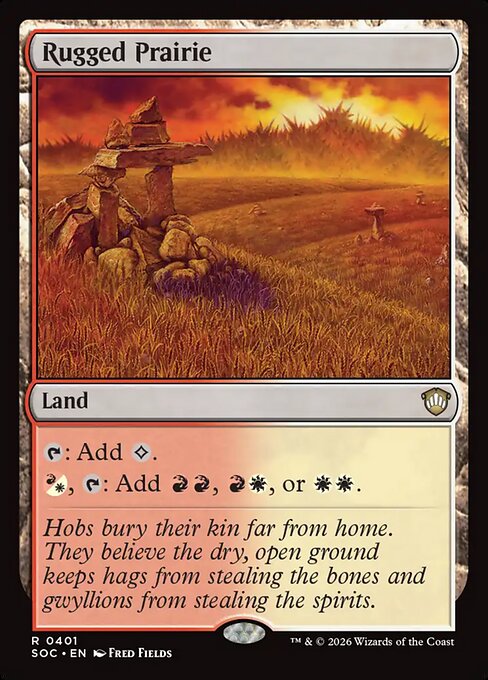
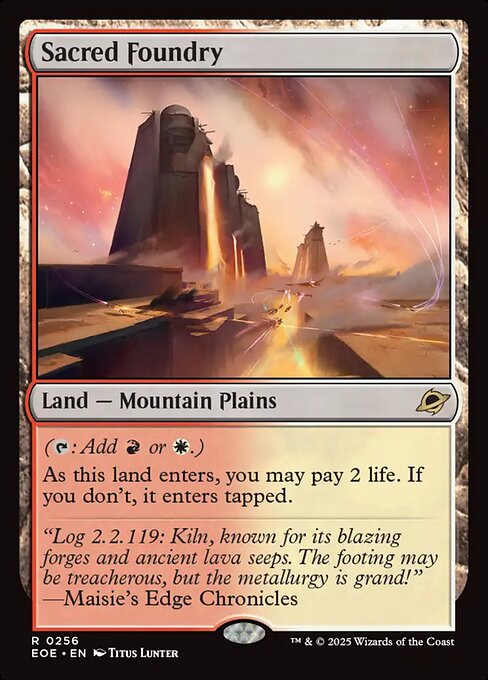
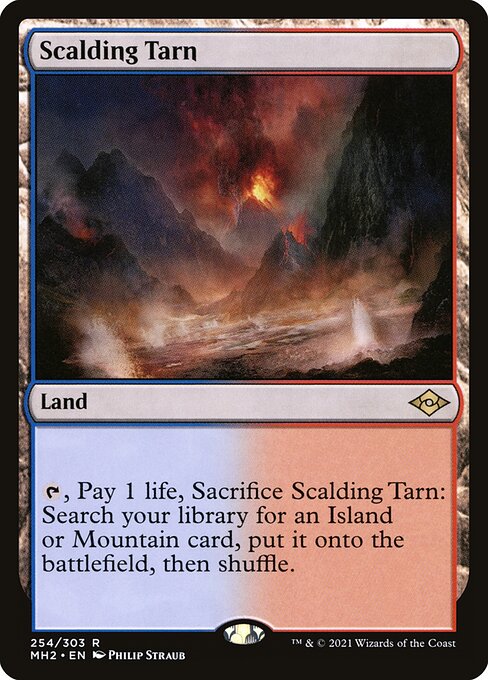
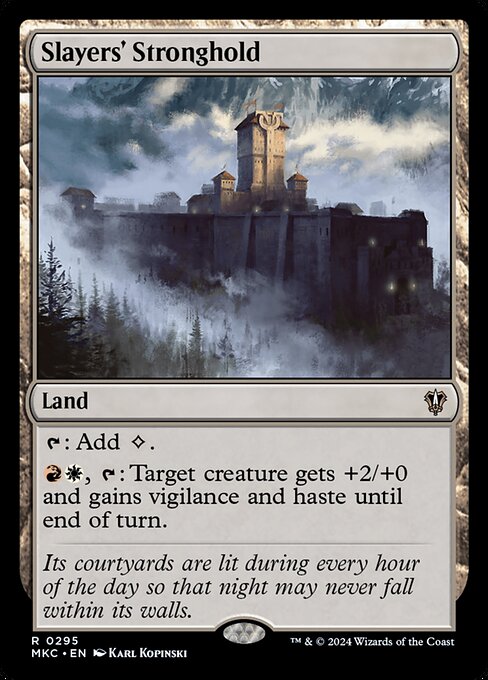
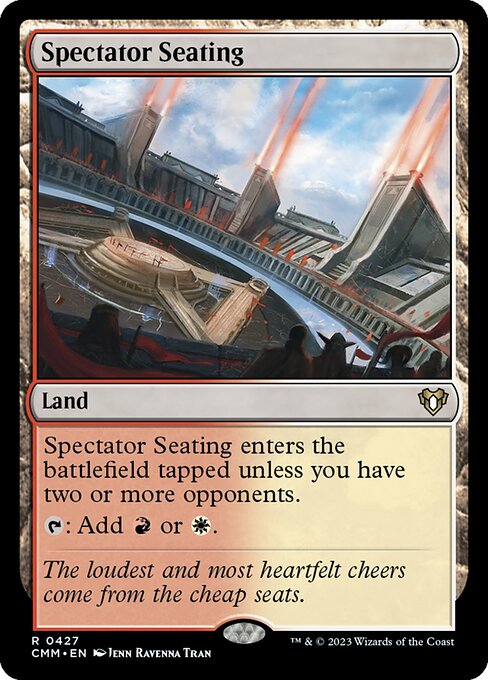
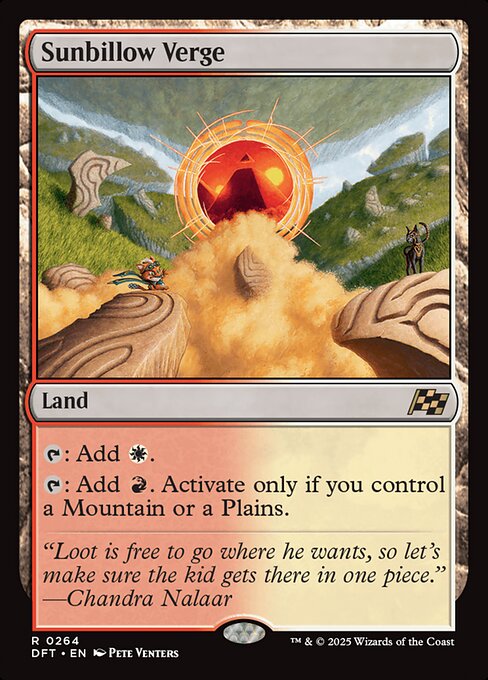
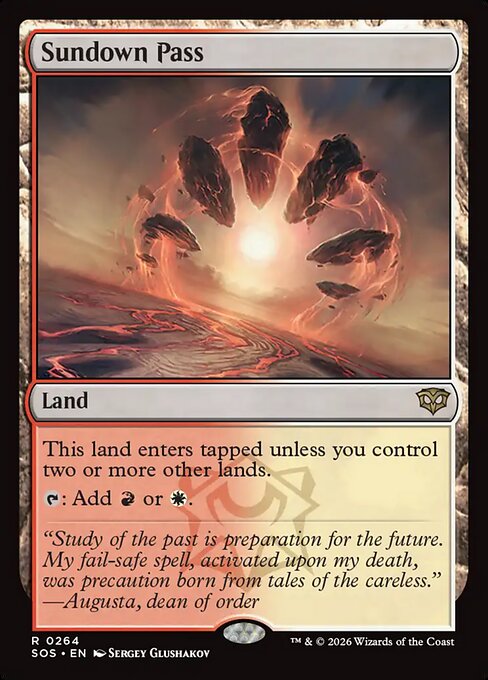
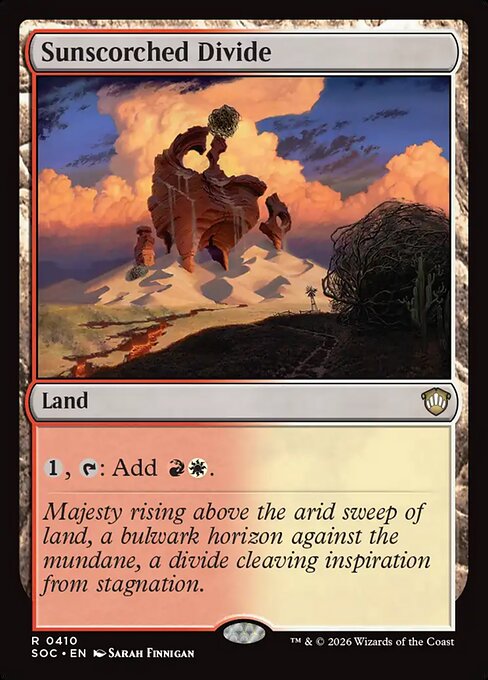
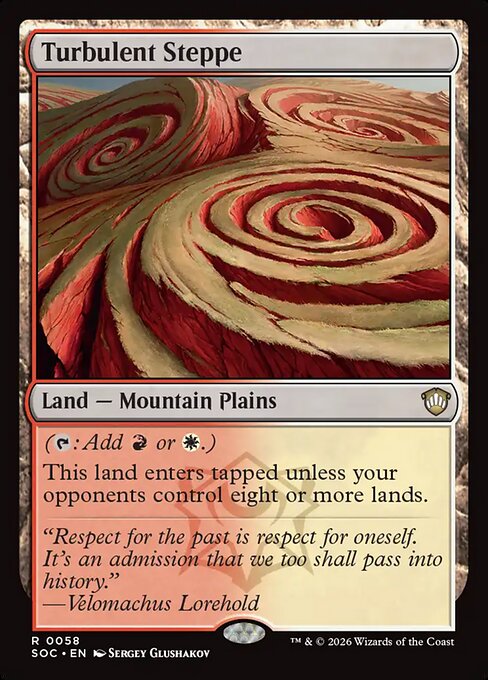
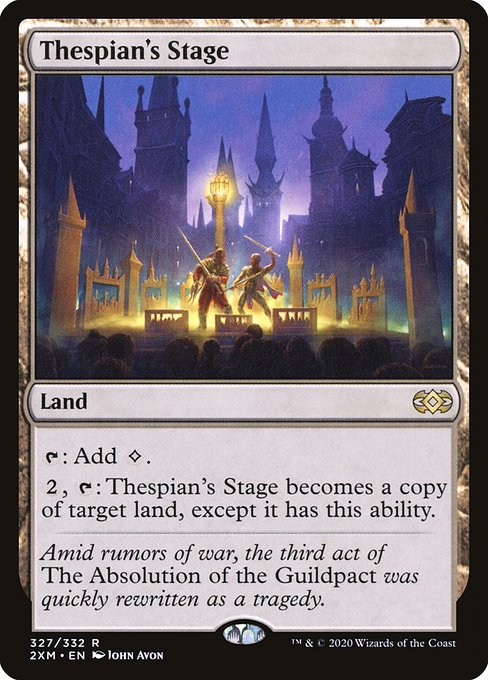
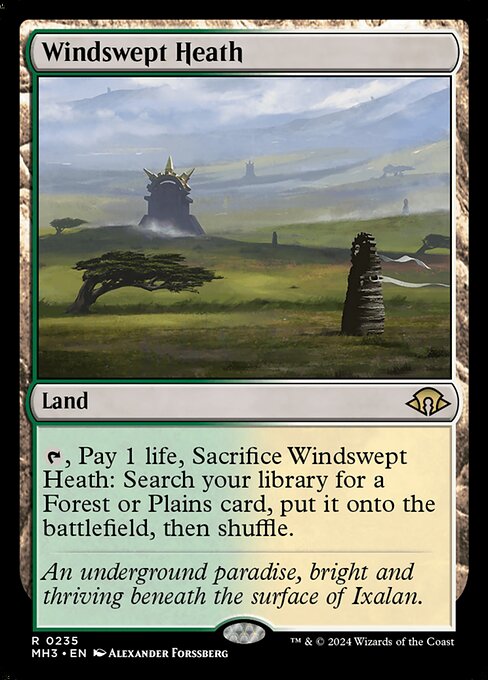
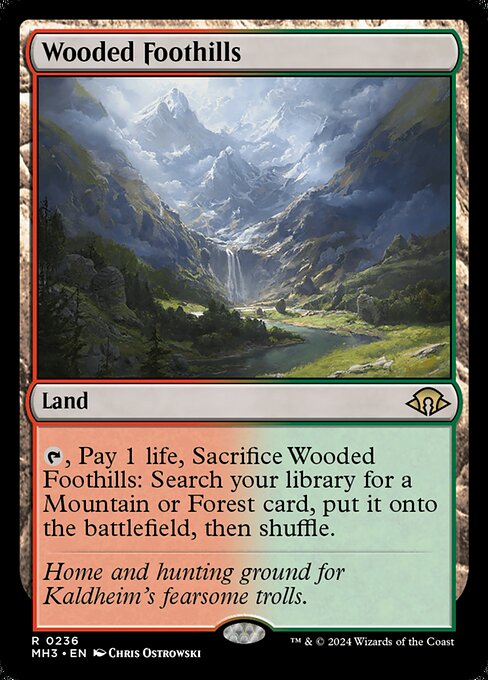
Text
1 Phlage, Titan of Fire's Fury1 Aerial Extortionist 1 Araña, Heart of the Spider 1 Archangel Avacyn // Avacyn, the Purifier 1 Arena of Glory 1 Arid Mesa 1 Aurelia, the Law Above 1 Aurelia, the Warleader 1 Battlefield Forge 1 Bitter Reunion 1 Bloodstained Mire 1 Bovine Intervention 1 Cataclysmic Gearhulk 1 Cathartic Reunion 1 Clifftop Retreat 1 Command Tower 1 Demand Answers 1 Djeru and Hazoret 1 Dragonhawk, Fate's Tempest 1 Elegant Parlor 1 Erode 1 Etali, Primal Storm 1 Fable of the Mirror-Breaker // Reflection of Kiki-Jiki 1 Fall of the First Civilization 1 Flagstones of Trokair 1 Flamekin Village 1 Flooded Strand 1 Generous Plunderer 1 Get Lost 1 Hanweir Battlements 1 Headliner Scarlett 1 Heartless Hidetsugu 1 Highway Robbery 1 Horn of the Mark 1 Humble Defector 1 Inspiring Vantage 1 Karlach, Fury of Avernus 1 Laelia, the Blade Reforged 1 Late to Dinner 1 Loran of the Third Path 1 Lorehold, the Historian 1 Lotus Field 1 Lotus Vale 1 Loyal Retainers 1 Luminous Broodmoth 1 Magus of the Wheel 1 Marsh Flats 1 Moraug, Fury of Akoum 2 Mountain 1 Neheb, Dreadhorde Champion 1 Ox Drover 1 Palace Jailer 1 Path to Exile 1 Peter Parker's Camera 3 Plains 1 Plateau 1 Prismatic Vista 1 Pumpkin Bombs 1 PuPu UFO 1 Pursue the Past 1 Rugged Prairie 1 Sacred Foundry 1 Saheeli's Lattice // Mastercraft Raptor 1 Scalding Tarn 1 Scholar of New Horizons 1 Scrawling Crawler 1 Sevinne's Reclamation 1 Slayers' Stronghold 1 Solphim, Mayhem Dominus 1 Soul Partition 1 Soul-Guide Lantern 1 Spectator Seating 1 Sunbillow Verge 1 Sundering Eruption // Volcanic Fissure 1 Sundown Pass 1 Sunscorched Divide 1 Swords to Plowshares 1 The Legend of Yangchen // Avatar Yangchen 1 The Regalia 1 The Restoration of Eiganjo // Architect of Restoration 1 Thespian's Stage 1 Thraben Charm 1 Thrilling Discovery 1 Tragic Arrogance 1 Turbulent Steppe 1 Unwanted Remake 1 Valakut Awakening // Valakut Stoneforge 1 Vanquish the Horde 1 Velomachus Lorehold 1 Vision of Love 1 War of the Last Alliance 1 Weathered Wayfarer 1 What Must Be Done 1 Wheel of Fortune 1 Windswept Heath 1 Witch Enchanter // Witch-Blessed Meadow 1 Wooded Foothills
Commander bracket
This deck plays at a bracket 3 power level.
Bracket 3 is most common Commander bracket I encounter at local game stores, and is my favorite one to play. In my opinion, bracket 3 has the best balance of power and creativity, with the format being slow enough for unique deck brewing and underplayed cards to shine, while still having a strong focus on gameplay strategy, interaction, and playing to win.
This deck does not play any game changers because game changers are cringe and unfun.
It also does not play Sol Ring.

The commander
Phlage, Titan of Fire’s Fury is a 3 mana 6/6 Elder Giant that gives you a free Lightning Helix every time it enters or attacks.
To balance out this otherwise absurd statline, Phlage promptly commits seppuku after being cast. It hangs out in the graveyard, waiting to escape. You can pay 4 mana and exile 5 other cards from the graveyard to cast Phlage for its escape cost, after which it permanently sticks around to terrorize the village.
This deck doesn’t really depend on having the commander around for its main game plan—in fact, I’ve played many games where Phlage was never cast at all! Instead, Phlage acts as a useful removal tool you have access to every game, as well as a powerful finisher late into the game.
This style of deckbuilding—where the main game plan of a deck does not directly synergize with its commander—is often described as a counterweight commander, a term coined by content creator Salubrious Snail. I generally enjoy this style of deckbuilding as your deck is able to function independently of your commander, making it so that your game is not easily disrupted by a single removal spell.
Rummaging spells
At the backbone of the Phlage deck is a large suite of rummaging spells.
In Magic parlance, a “rummaging” effect is one where you discard one or more cards, then draw some number of cards, usually ending up with about the same number of cards in hand.
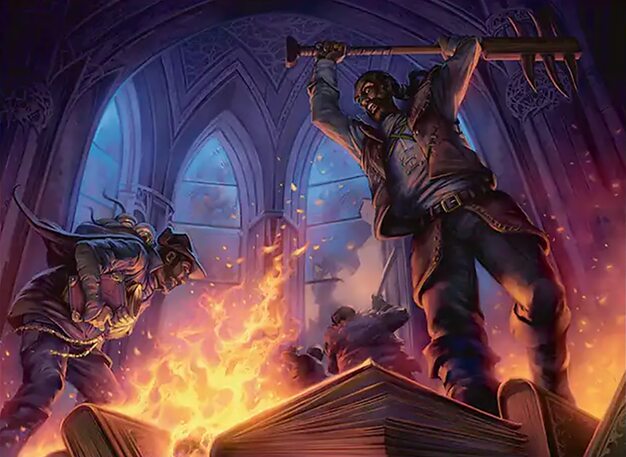
Rummaging exists in contrast to “looting” effects, where you draw the cards before discarding. This is notably stronger than rummaging on average, since you get to see all of the cards before choosing what to discard. Unfortunately, looting is an effect typically only available to blue cards.
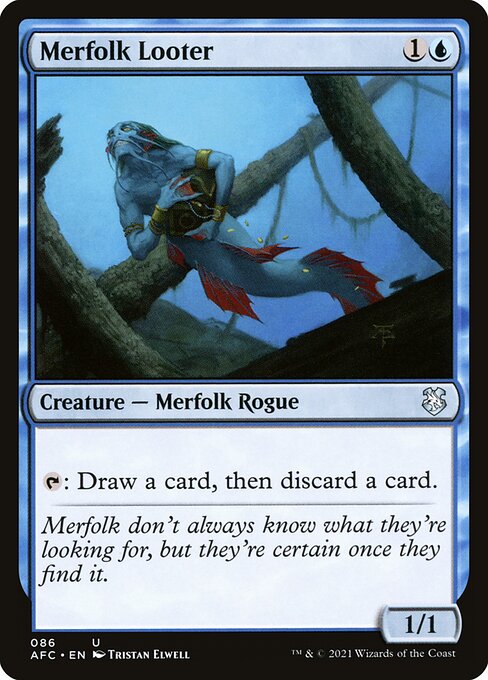
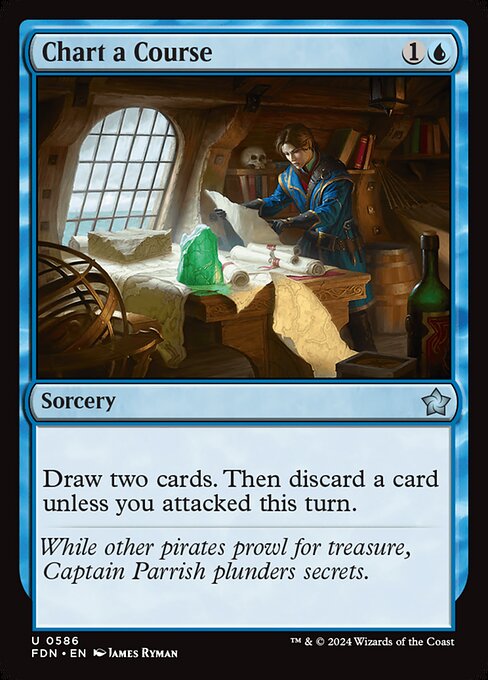
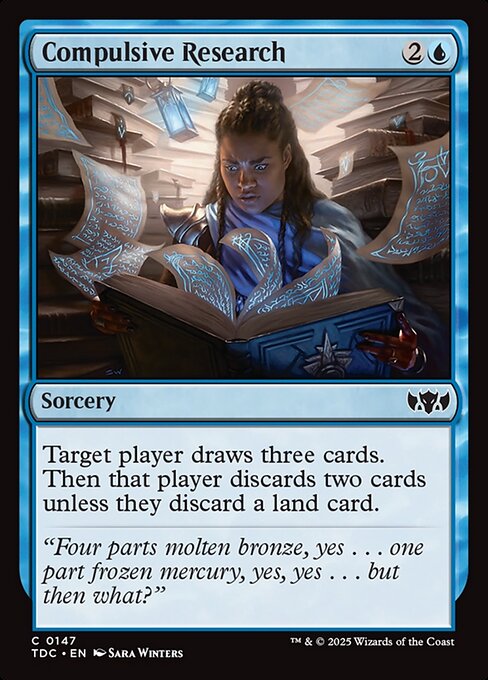
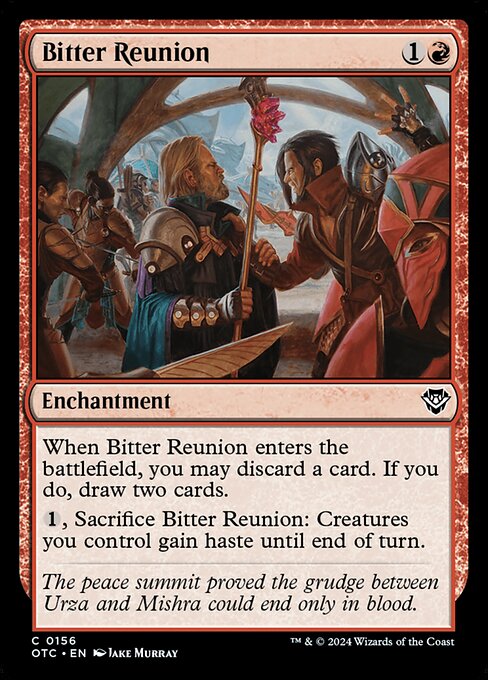
The Phlage deck plays an assortment of 2 mana rummage effects, most of which are instants or sorceries, others are abilities stapled to enter-the-battlefield effects of permanents.
Of these cards, Highway Robbery I find to be the most interesting. Rummaging effects increase in value the more cards you have in hand, since you have more options to discard—Highway Robbery allows you to plot it on an earlier turn, then cast on a later turn for no mana, allowing you to look at additional cards that you drew to discard. Sometimes I will plot Highway Robbery on turn 2, then hold it late into the game, only casting it when I really need to dig for something specific.
Demand Answers and Vision of Love can be pure card draw if you have an artifact incidentally lying around—a handful of cards in this deck generate treasure tokens which can be used for this purpose, for example. If it was played earlier in the game, you can also sacrifice Saheeli’s Lattice!
There are also other more expensive cards that rummage as part of its effects.
Neheb, Dreadhorde Champion is a particularly powerful one, generating red mana for each card discarded. The fact that you are incentivized to discard as many cards as possible to maximize the amount of mana produced leads to a really fun “push your luck” style of gameplay.
Rummaging effects don’t typically go card positive—i.e. you don’t actually end up with more cards than you started with. However, trading cards in hand for fresh cards lets us improve the quality of cards in our hand, allowing us to sculpt the perfect set of cards in every situation.
The most obvious example of this is hitting our land drops. If we have too many or too few lands in hand, a rummaging spell lets us discard excess land or nonland cards, ensuring that we can smoothly hit every land drop while still having cards to cast on curve.
All of the rummaging spells being only 2 mana is really important—since the spells are cheap, they are very easy to squeeze into our mana curve. It is common for many turns (including turn 2 in particular!) to leave us with 2 mana left over, having an abundance of these effects lets us squeeze extra value from mana that would otherwise be unused.
In addition to this, rummaging cards fill our graveyard so that we always have enough fuel to escape Phlage. We also have a number of other graveyard synergies which will be explored later in the article.
Ramp ramp ramp
Most of the early game of the Phlage commander deck is spent drawing cards and ramping.
Ramp is the second of the four pillars of Commander deckbuilding (the other three being card draw, interaction, and finishers). Most successful Commander decks need to dedicate some portion of their deck to getting ahead on mana.
The ramp strategy for this deck was heavily inspired by 5 Levels of Mana Fraud in White by Commander Baumi, although many of the cards have deviated from this video’s suggestions. This video single-handedly expanded my horizons and showed me how creative Commander-viable strategies really can be—I would highly recommend giving it a watch!
This deck does not play any mana rocks or other artifact ramp. In fact, almost all of the deck’s ramp is land based!
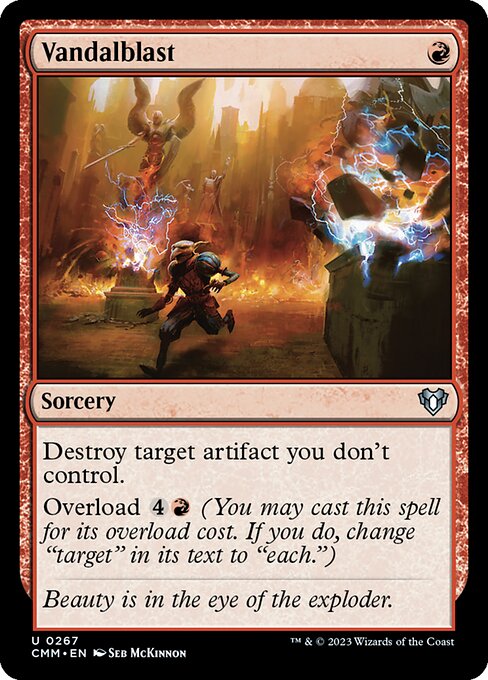
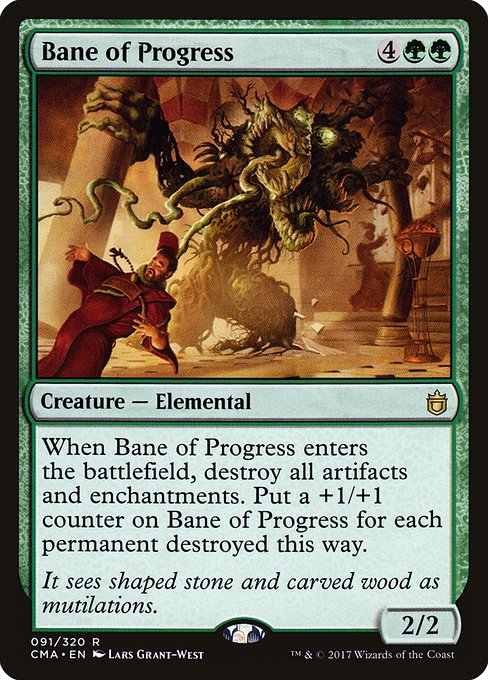
This was partially a stylistic decision—“no mana rocks” was a unqiue deckbuilding restriction I wanted to try out—but it also ended up having some real gameplay advantages. By avoiding artifacts, our ramp is naturally more resiliant to interaction, as artifact removal is commonplace among bracket 3 commander.
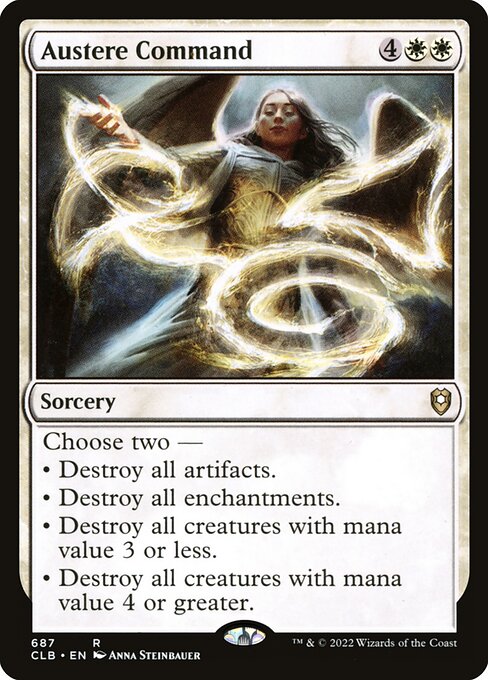
Land ramp
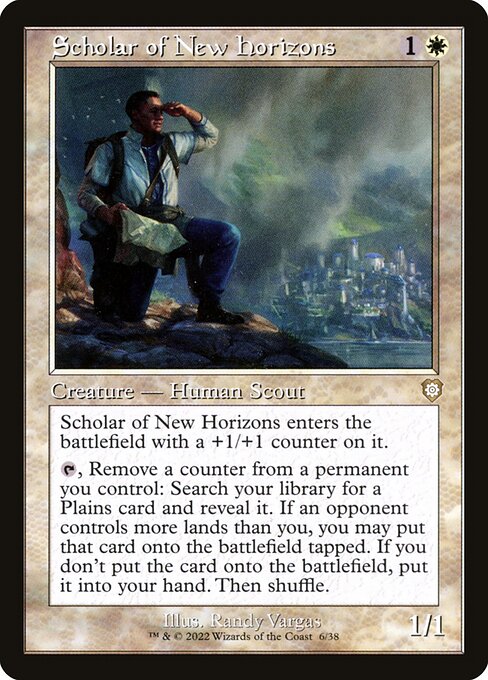
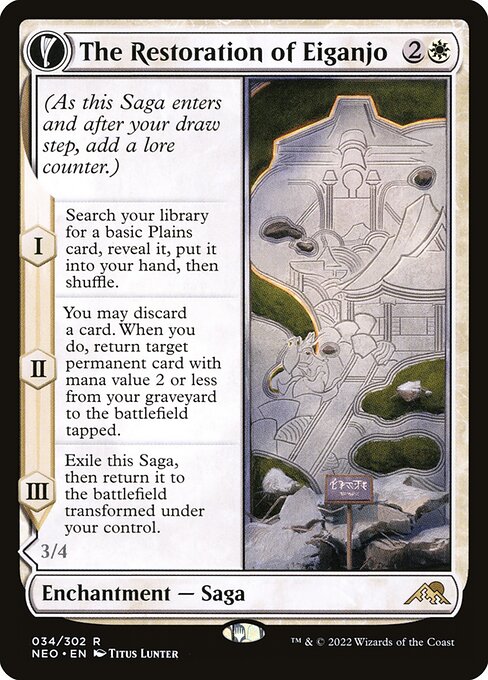
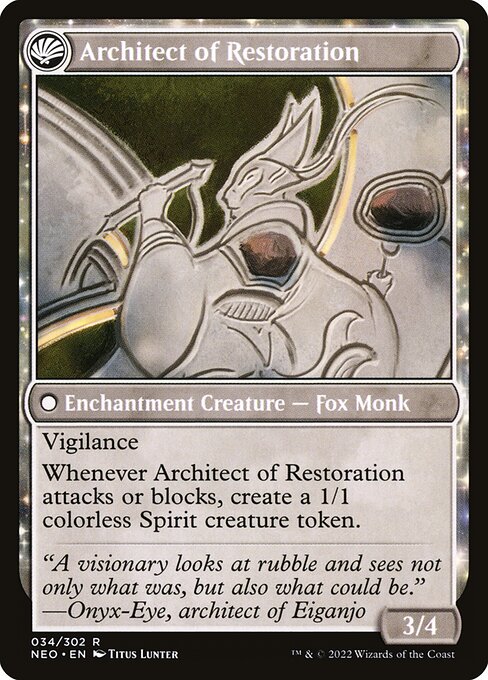
Scholar of New Horizons and The Restoration of Eiganjo are both cards capable of ramping one additional land into play, the former of which requiring us to control less lands than our opponent (this can usually be done by activating the ability before we play our normal land for turn, since an opponent before us in turn order likely has more lands in play than us). They both provide useful bodies that can participate in combat, usually acting as chump blockers for early damage.
Scholar of New Horizons has the cool ability to remove counters from any permanent, which includes sagas! This lets us repeately trigger a chapter ability of a saga (such as Restoration of Eiganjo), giving us an extra plains from our deck into our hand in addition to the value of the chapter ability.
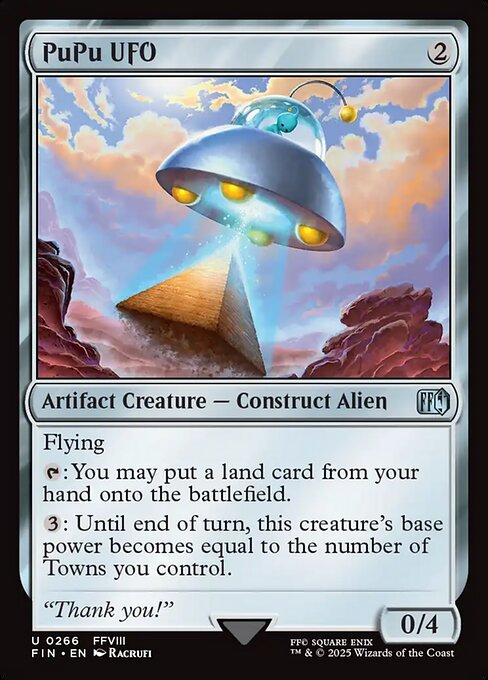
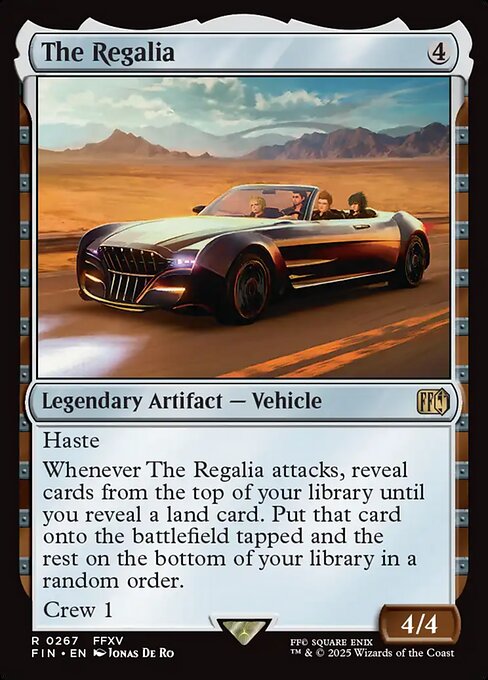
PuPu UFO and The Regaila are both cards that are capable of ramping multiple lands turn over turn.
PuPu UFO requires some support since we need to constantly drawing enough cards to ensure that we have extra lands to put into play. However, if we are able to do this, PuPu UFO lets us ramp very very quickly, giving us double land drops every turn as early as turn 3. (Also, people keep laughing at the name PuPu for some reason.)
The Regalia is a personal favorite of Commander Baumi—he’s even posted a whole 13 minute video raving about this vehicle. On top of being an excellent way to ramp additional lands into play every single turn, The Regalia is a 4/4 beater with haste which gets to participate in the arduous task of reducing our opponents’ life totals.
This deck plays Peter Parker’s Camera primarily to ramp additional lands into play, which may surprise you.
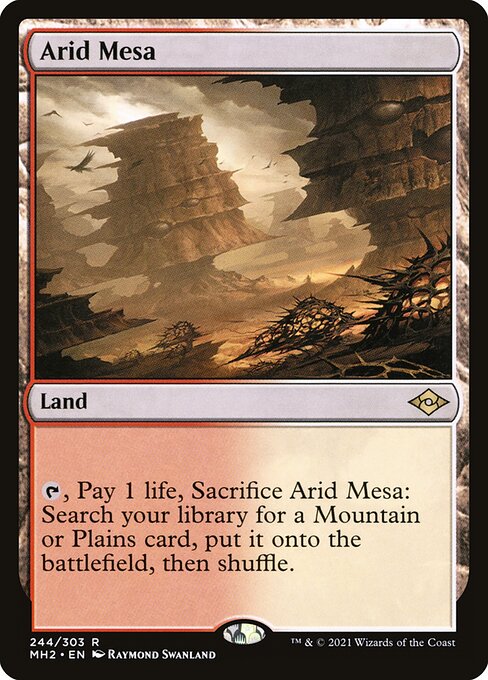
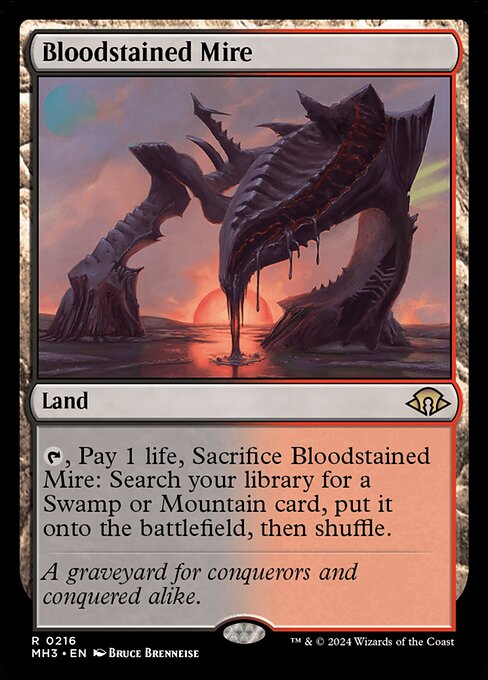
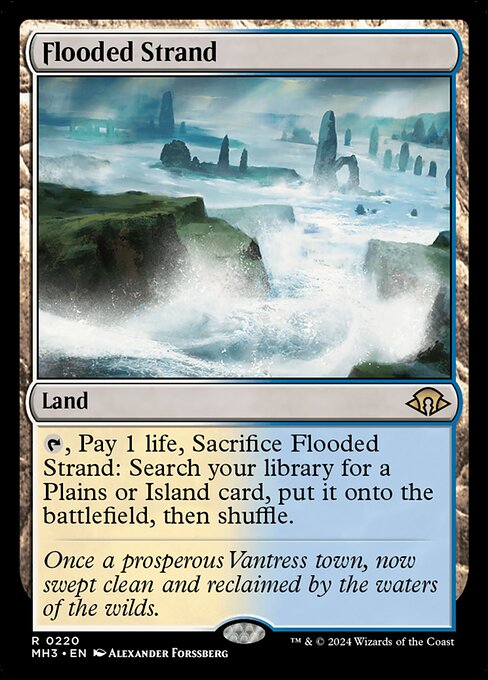
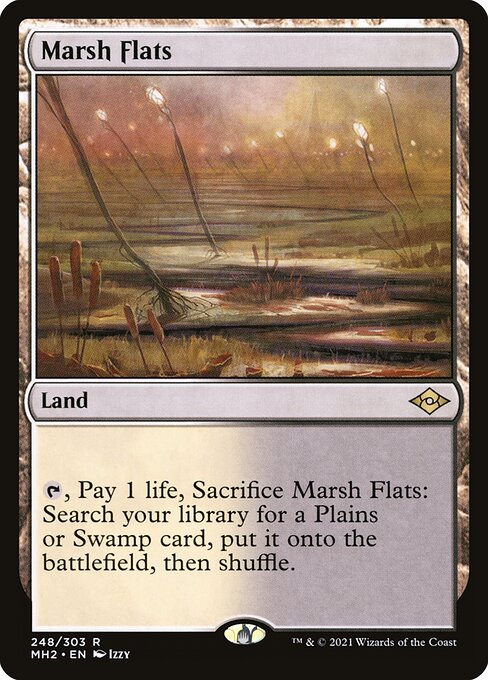
The deck plays all 7 fetch lands in the red/white colors, plus Prismatic Vista. These lands all have an activated ability to fetch a land into play from our library—we can copy this ability using the Camera to get an additional land into play for only 2 mana. Thus, Peter Parker’s Camera is like a repeatable Rampant Growth, provided we draw enough fetch lands.
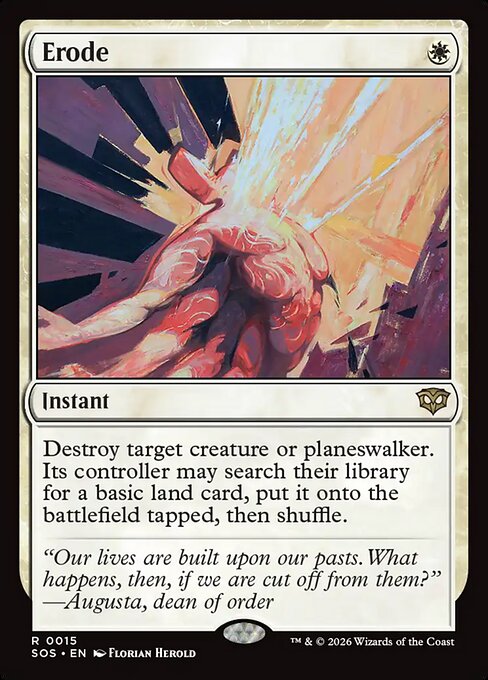
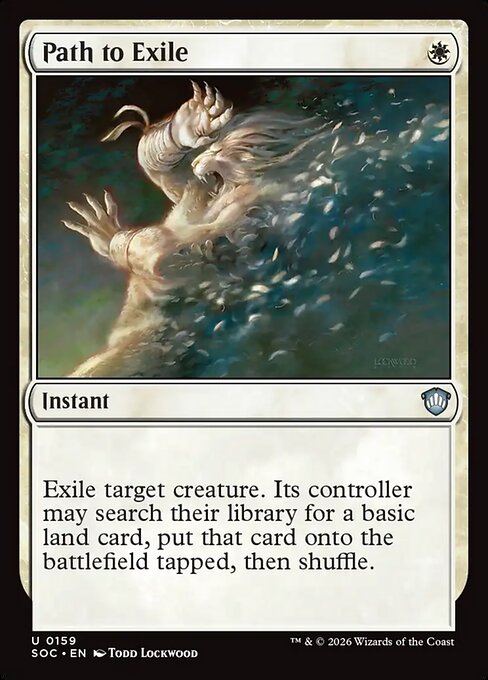
Another set of cards you may find surprising to be considered as ramp are the removal spells Path to Exile and Erode—if you shoot your own creature with one of these spells, you get to put a basic land into play tapped.
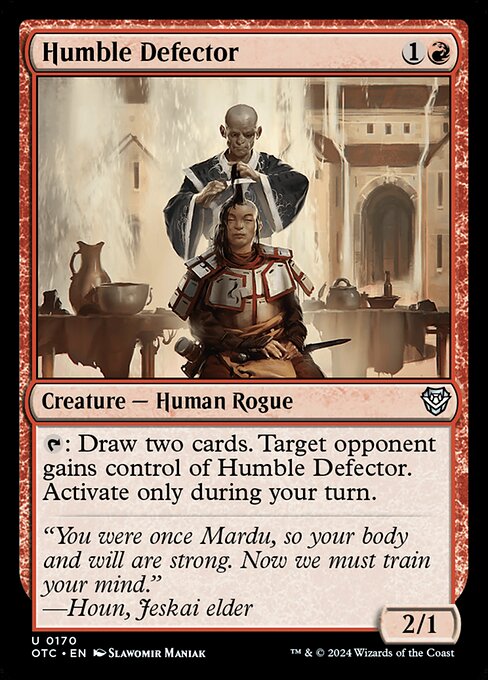
On top of being incredibly based, I think using these spells as ramp is legitimately strong in more situations than you may think. An interaction in particular I’d like to point out is with Humble Defector—by shooting Humble Defector with Path or Erode in response to activating its ability, you’re able to draw two cards and ramp once, all while preventing your opponents from gaining control of the creature!
Erode works nicely with Phlage as well, since you can shoot it before it would sacrifice itself to its enter trigger anyways.
Lotus field and friends
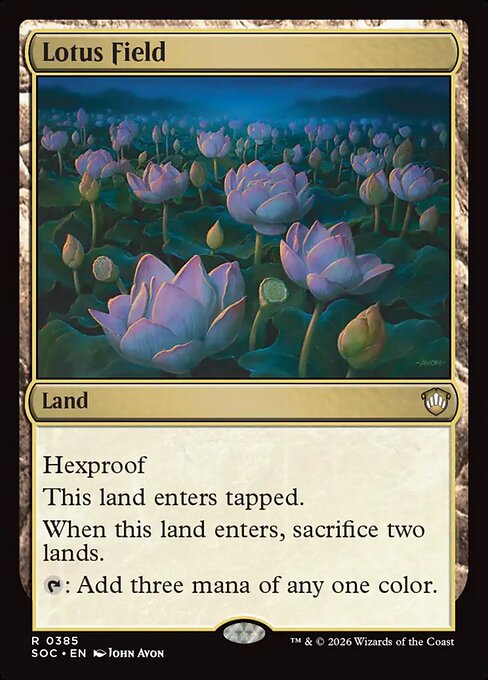
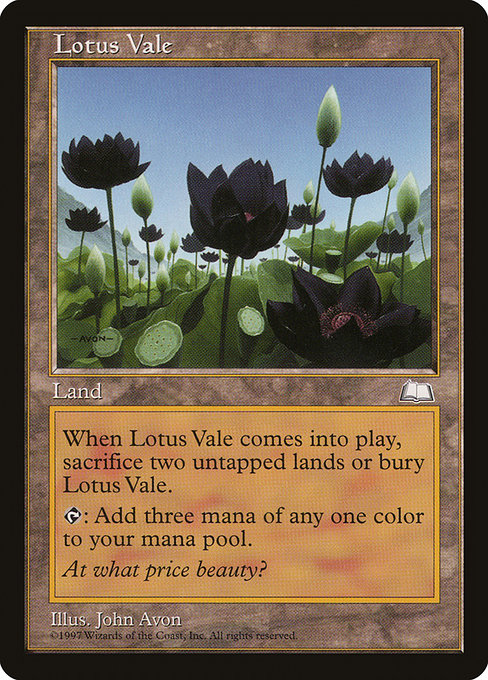
Lotus Field and its cousin Lotus Vale (collectively I’ll refer to as the “lotus lands”) are two very unique lands. They both tap for 3 mana of any color, but require you to sacrifice 2 other lands when they enter, thus they don’t actually increase the amount of mana you have access to. On their own they don’t do much, but in this deck they play part in a number of unique synergies.
One thing that the lotus lands do is place two other lands into your graveyard. For one, this is fuel that lets us cast Phlage for its escape cost. In addition to this, having the lands in the graveyard also allow them to be recurred with other effects.
Sevinnes Reclamation is a 3 mana spell that lets you return a permanent with mana value 3 or less to the battlefield—this of course includes lands! Thus, Sevinnes Reclamation can function as a ramp spell, provided you have a land in your graveyard. It even has a 5 mana flashback cost, providing potentially additional ramp on a following turn.
Since we also play a full set of fetch lands, Sevinnes Reclamation never has trouble finding lands to reanimate.
Flagstones of Trokair is a land that lets you search for a plains and put it into play tapped if it is ever put into a graveyard from play. This land works nicely with the lotus lands since they let you sacrifice it when played. Thus, Flagstones + a lotus land allows you to ramp one land into play, all done using only cards from your mana base!
Thespian’s Stage is a unique land that lets you copy another target land for 2 mana. This is excellent for copying lotus lands, allowing us to obtain a second lotus land without having to sacrifice anything (copying another land does not trigger its enter-the-battlefield effects). Fun fact: this combo is a core part of a popular Pioneer deck based around shenanigans with Lotus Field.
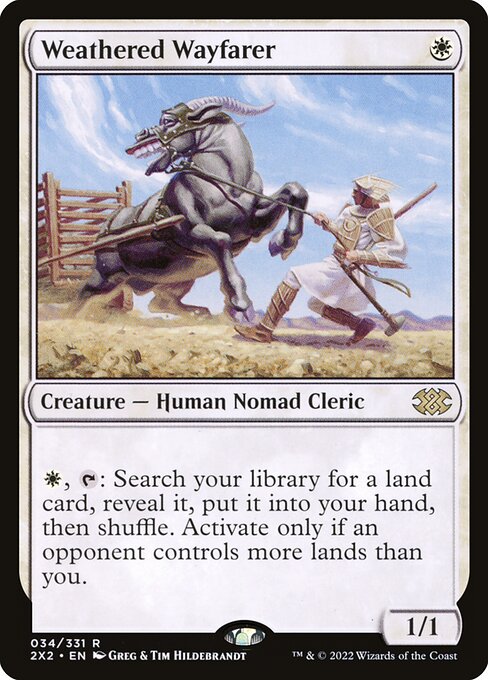
Weathered Wayfarer is a 1 mana white creature with a powerful effect—provided we’ve got less lands than our opponent, we can spend 1 white mana to search for any land from our deck to our hand. This is incredibly cracked, as we essentially have a 1 card combo to assemble all of the Lotus Field technology we’ve just described.
Provided we have Weathered Wayfarer and any untapped white land in our opening hand, we get to play the sequence:
- Turn 1: play an untapped white land, play Weathered Wayfarer.
- Turn 2: tap Wayfarer to find Flagstones of Trokair, play it for turn.
- Turn 3: tap Wayfarer to find Lotus Field, play it for turn, sacrificing the other two lands. Search for an additional plains (Elegant Parlor is a good target) onto our battlefield tapped.
- Turn 4: tap Lotus Field for 3 white mana, spend one with Wayfarer to search for Thespian’s Stage, play it for turn. Spend the remaining 2 mana to activate Stage to copy Lotus Field.
We end turn 4 with two Lotus Fields and a plains in play. Assuming that we hit our land drop on turn 5, we will now have access to 8 freaking mana… all off of a single 1-drop in our opening hand! This is enough to make even green players jealous.
Unfortunately this sequence doesn’t quite work if we’re in the first seat of the pod, since none of our opponents will have more lands in play than us when we go to activate Wayfarer (if we’re in a later seat, the first seat player usually will have more lands than us). If you are ever in this situation while playing the deck, feel free to cry.
Treasures
Besides land-based ramp cards, this deck also plays two cards that can repeatedly produce treasure tokens—this kind of effect is arguably stronger than ramping lands, as you can stockpile treasures over multiple turns for a big burst of mana, or efficiently hold up instant-speed interaction.
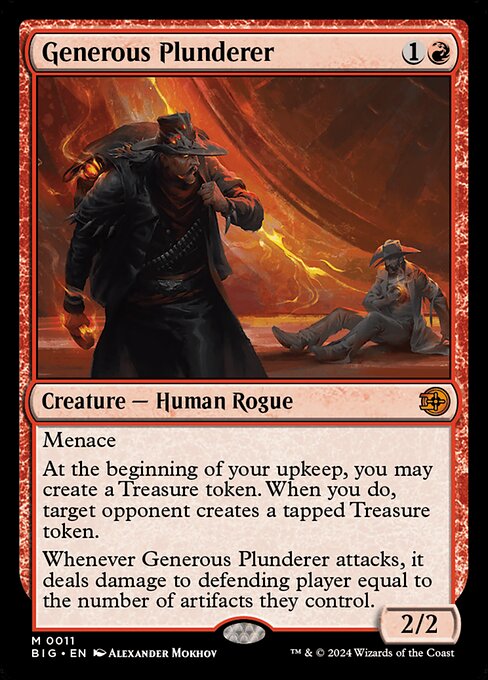
Generous Plunderer lets us create a treasure token every single upkeep, provided we find a friend to also receive a treasure. 2 mana for a treasure token every turn is well above the normal rate.
Generous Plunderer also has a trigger on attack that deals damage to the defending player equal to the number of artifacts they control. This is specifically strong against artifact strategies, which are commonplace in bracket 3 Commander—it’s not uncommon to dome an opponent for 10+ damage with this creature.
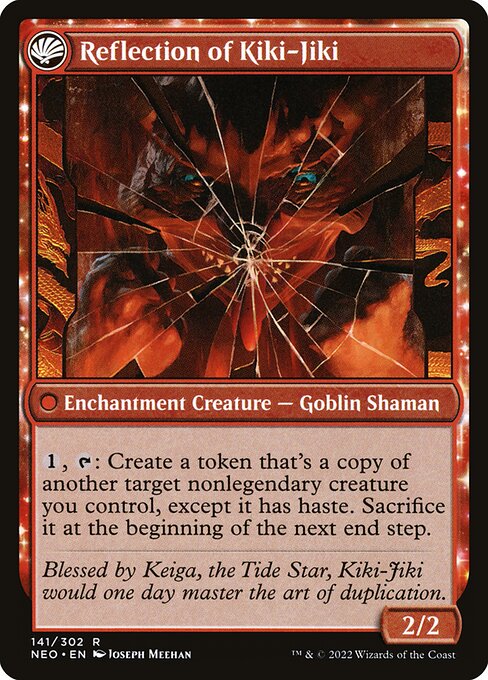
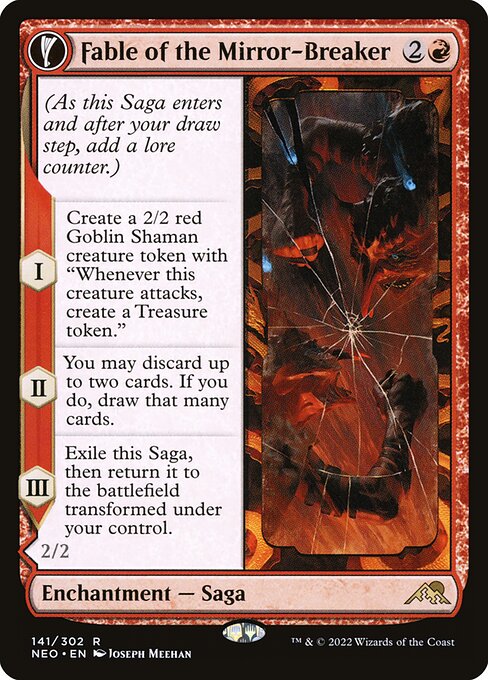
Fable of the Mirror-Breaker is an absolute unit of a card that should be familiar to anyone that plays any competitive 1v1 Magic. Among the fifteen other things that this card does, the 2/2 Goblin Shaman creature token created by the first chapter ability will create a treasure token whenever it attacks.